At-Home Translational Tessellations
Tessellations are a fun way to explore shapes! From honeycombs in a beehive to tiles on your bathroom floor, you can find tessellations everywhere. By creating tessellations at home, you can use simple materials to invite a new topic into your child’s math knowledge.
What’s a Tessellation?
A tessellation is a repeating pattern made by fitting shapes together to cover a surface. A tessellation has no gaps and no overlaps.
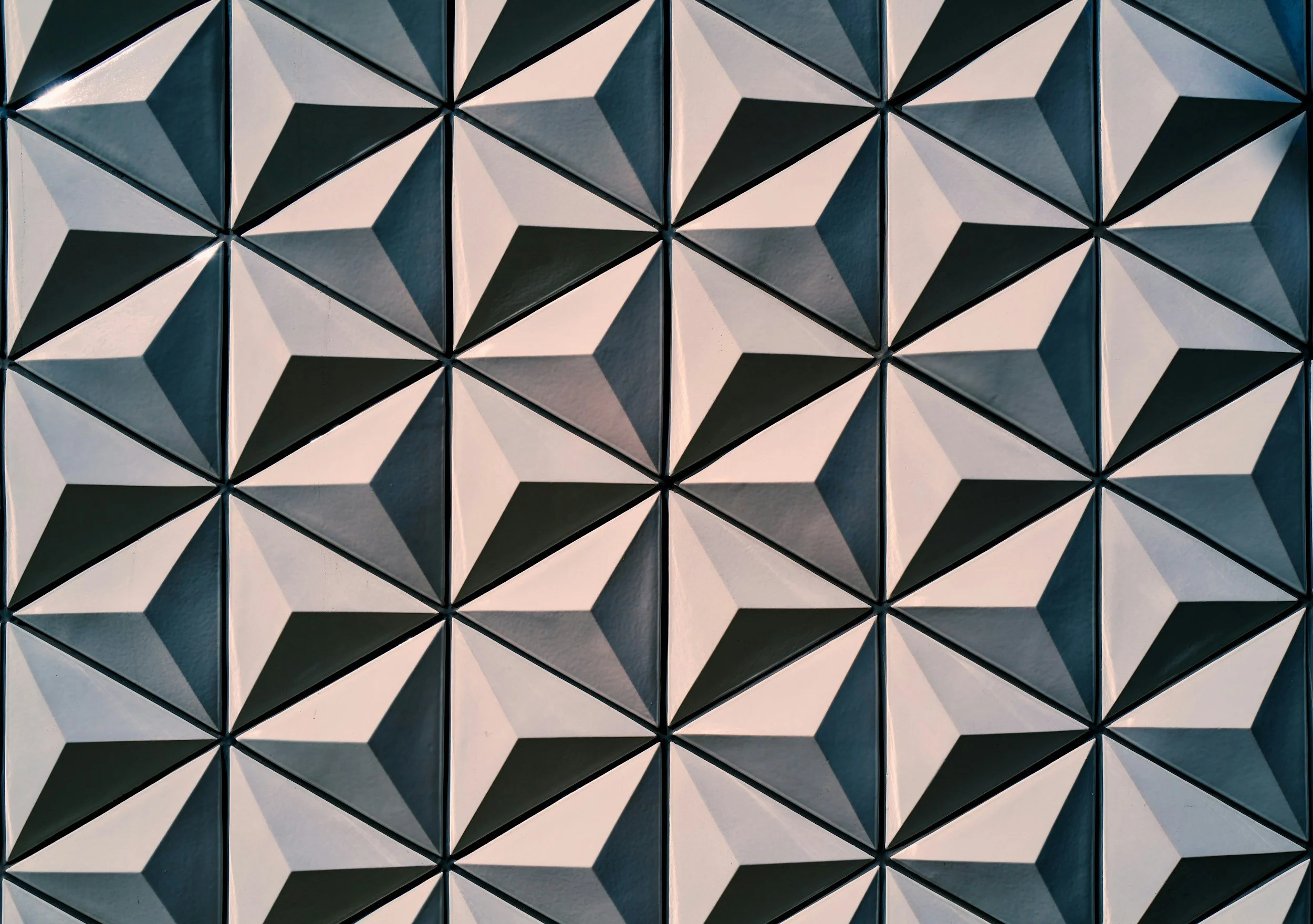
Some tessellations use only one shape, like in this photo of Spaceship Earth at Walt Disney World.
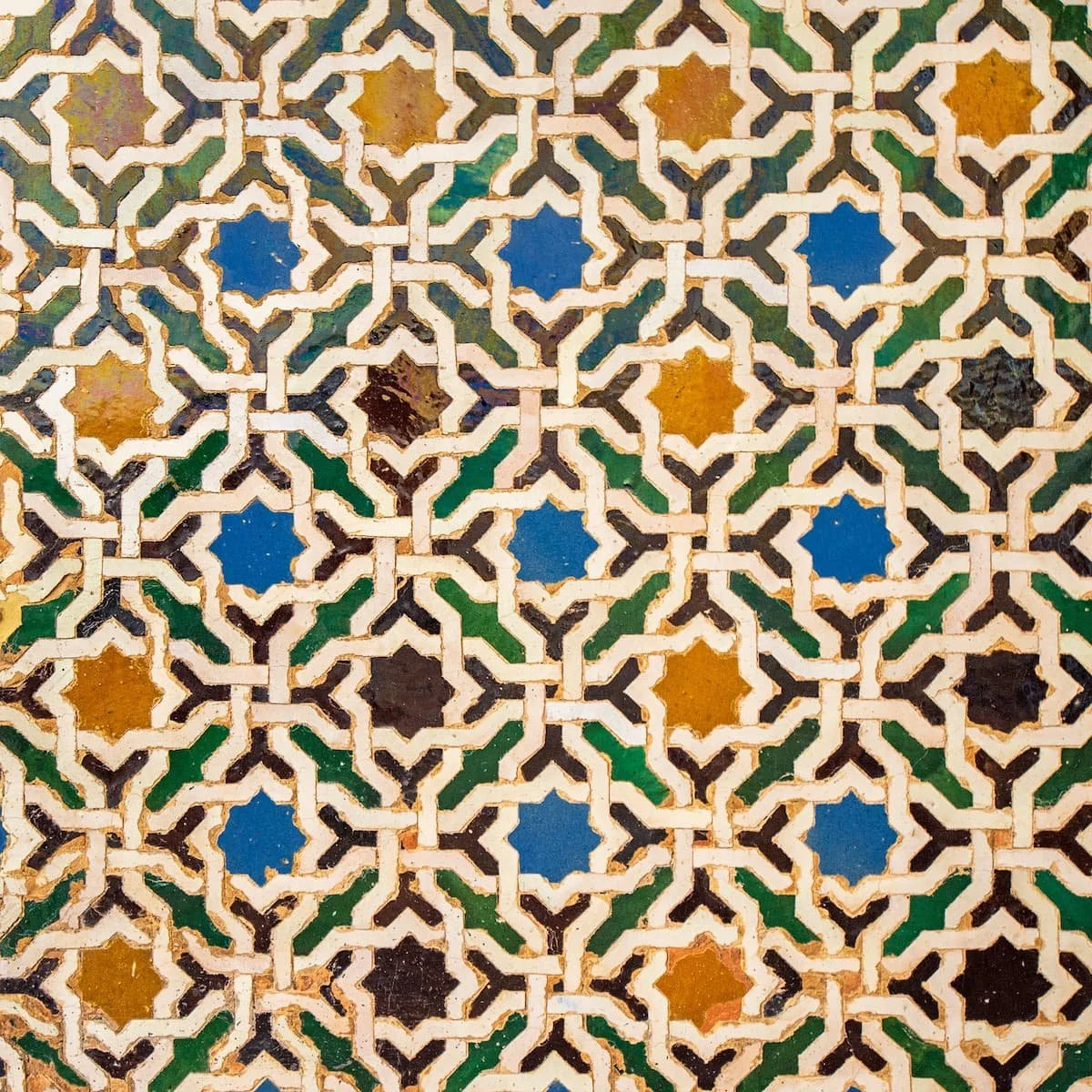
Some tessellations use more than one shape, like these tiles at the Islamic Alhambra palace in modern-day Spain.
Why call it “translational”?
Translation is one of the four main types of geometric transformation, or ways of changing shapes on a flat surface.
Rotation rotates or turns the pre-image around an axis, with a change in orientation but no change in size or shape.
Reflection flips the pre-image and produces the mirror-image, with no change in size, shape, or orientation.
Translation slides or moves the pre-image, with no change in size or shape.
Dilation stretches or shrinks the pre-image, with a change in size but no change in shape or orientation.
Make your own Translational Tessellations
Materials: square or rectangle piece of paper, scissors, tape.
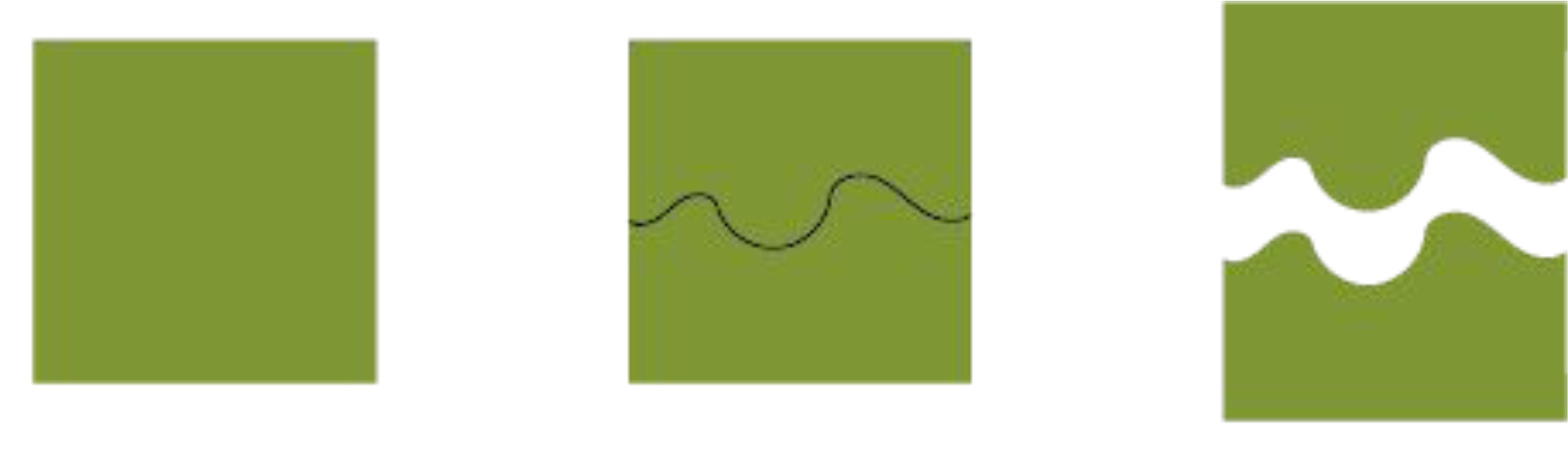
Start with a square or rectangle, draw a line from one side to the other, and cut across that line.

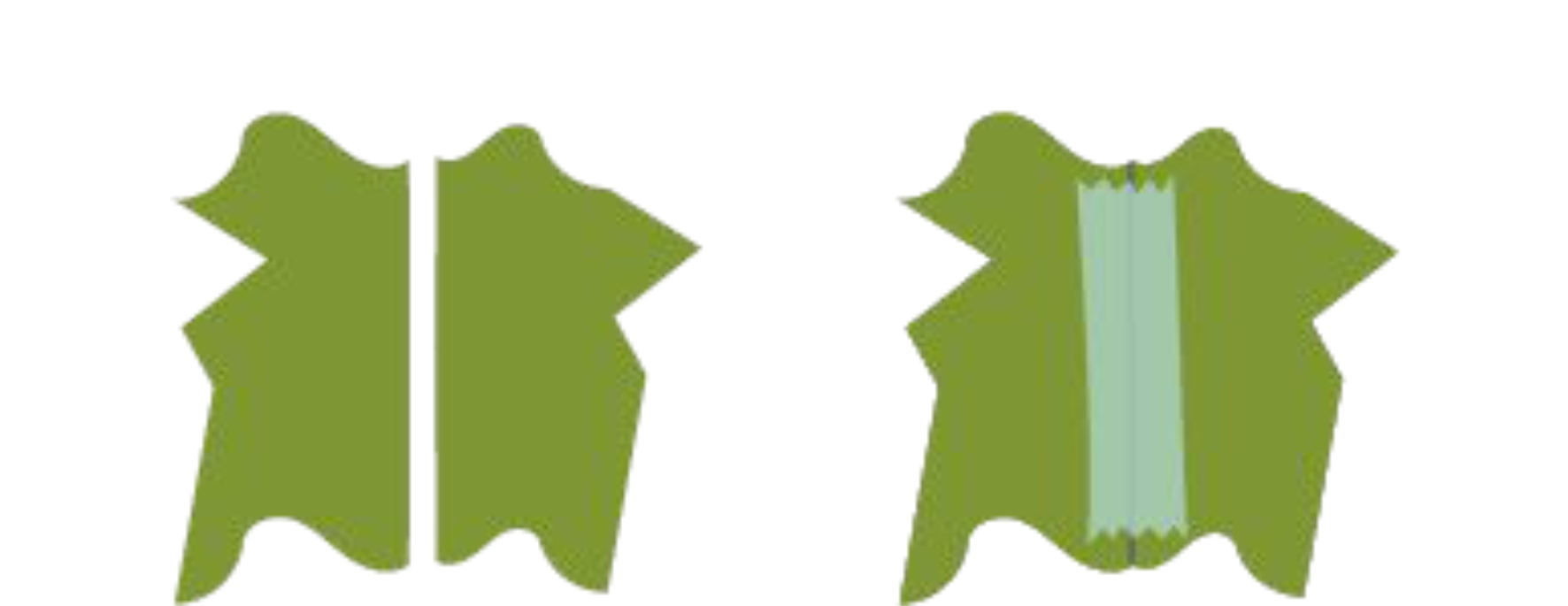
2. Swap the two halves without rotating them, then tape together.

3. Repeat steps 1 and 2 the other direction.

4. Trace onto a piece of paper, translate (move), and repeat!