
Math in… Traffic Signs
It’s important that traffic signs communicate information quickly, since we don’t want drivers to have to concentrate too much on interpreting them. We’d much rather have drivers watching the road than reading signs! In order to make traffic signs easier to interpret, the text on them is short and to the point and they are color coded. If a sign is telling you to stop or to not do something, it will likely be red or feature red markings, for example.
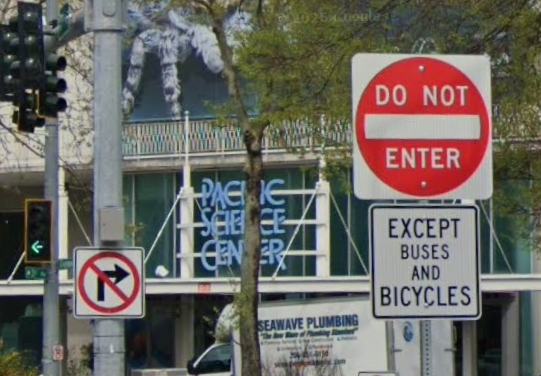
Shapes are also used to communicate. For example, even without the “DO NOT ENTER” text in the sign above, you might still recognize the circle with the white horizontal bar as the shape of a DO NOT ENTER sign!
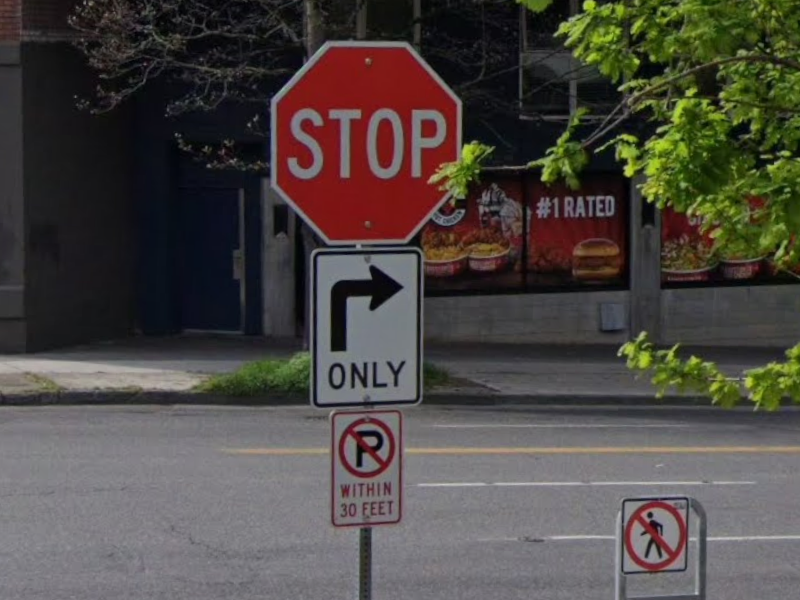
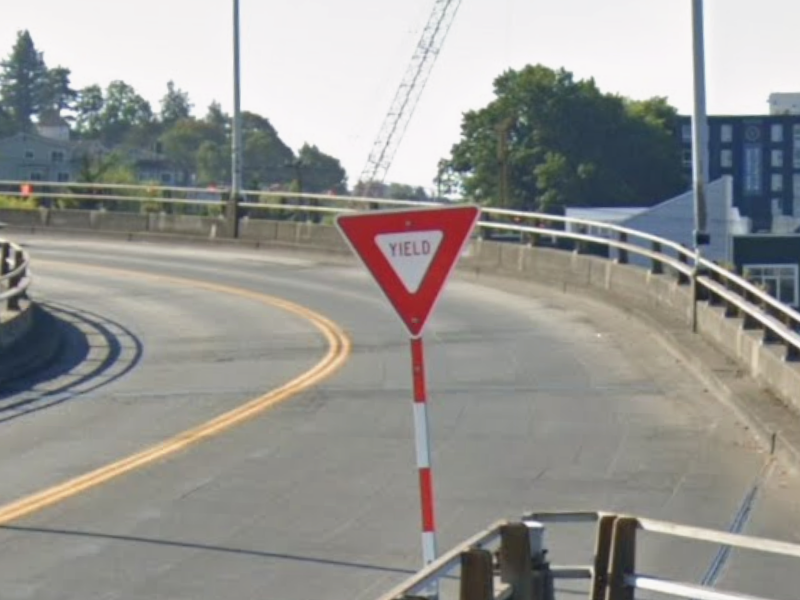
Many signs are rectangles, of course. When I think about interesting shapes that street signs have, the two that immediately come to mind are the stop sign and yield sign, which are a regular octagon and an equilateral triangle, respectively.
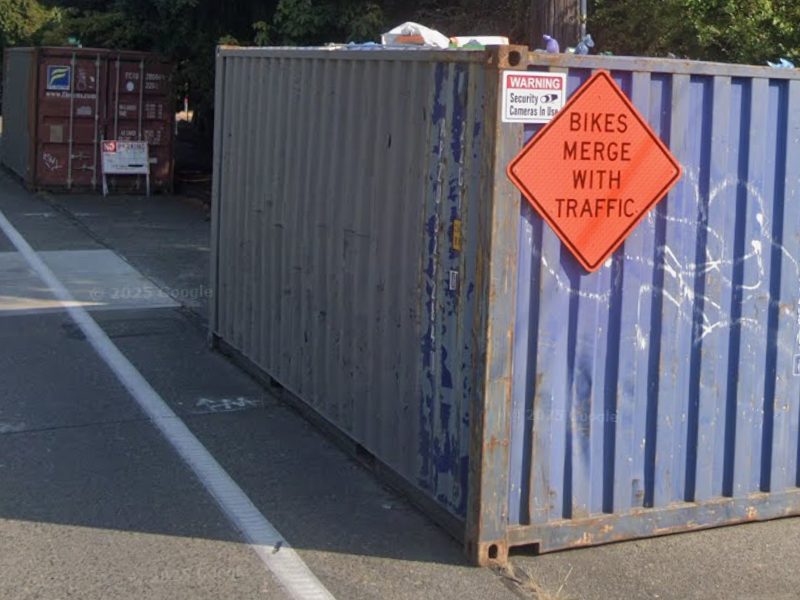
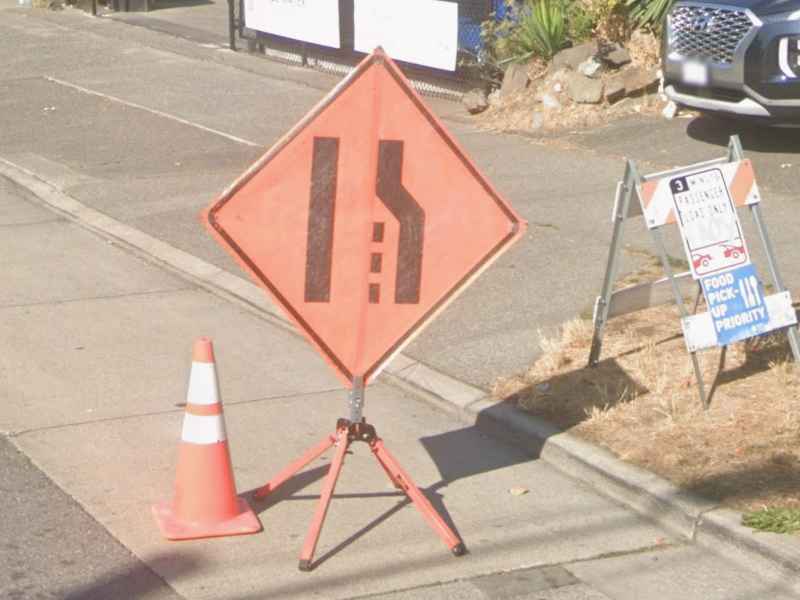
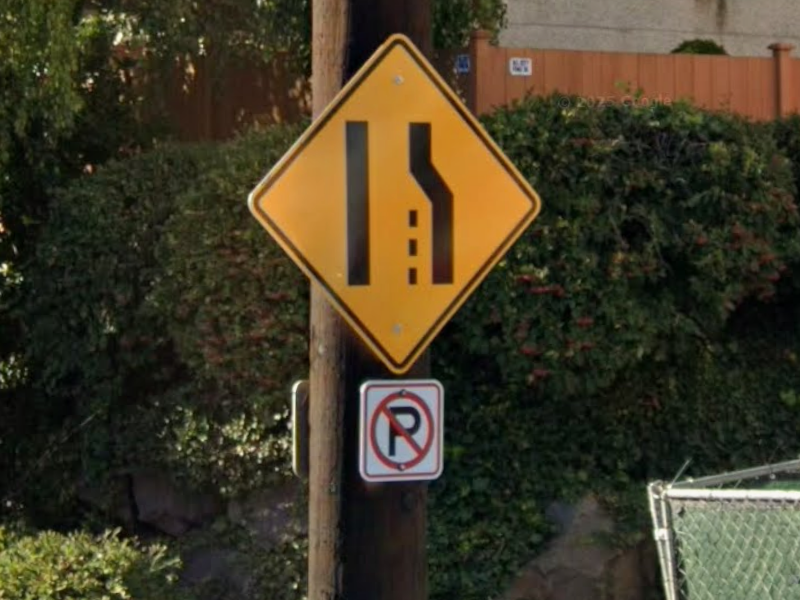
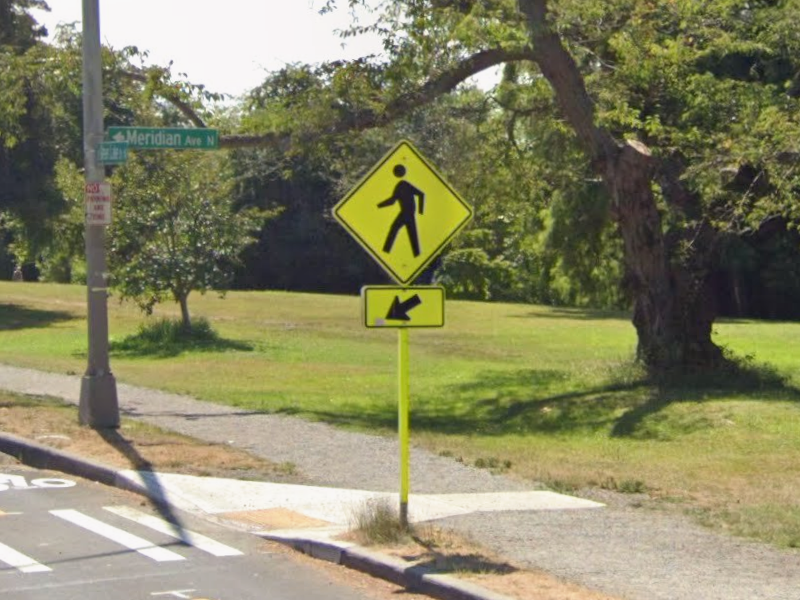
Diamonds (more specifically, squares rotated at a 45° angle) tend to communicate warnings. Temporary construction warning signs are orange while more permanent warning signs are yellow.
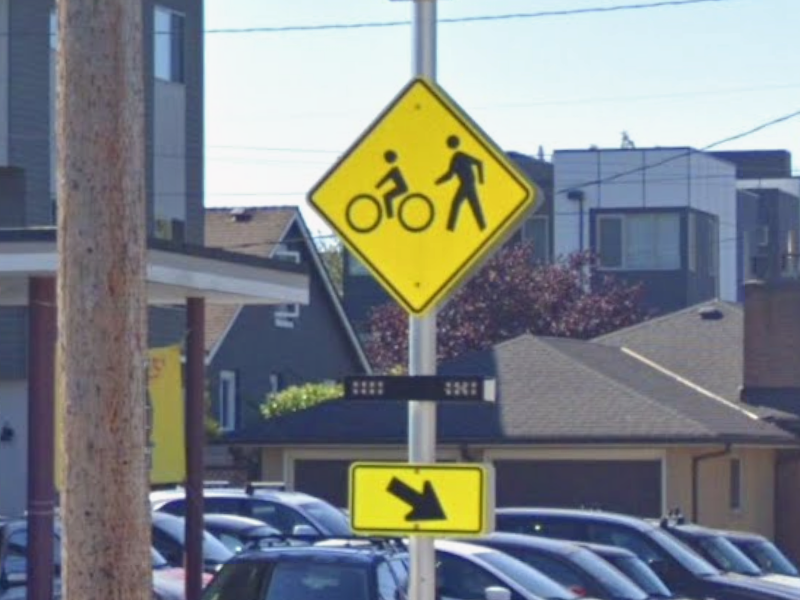
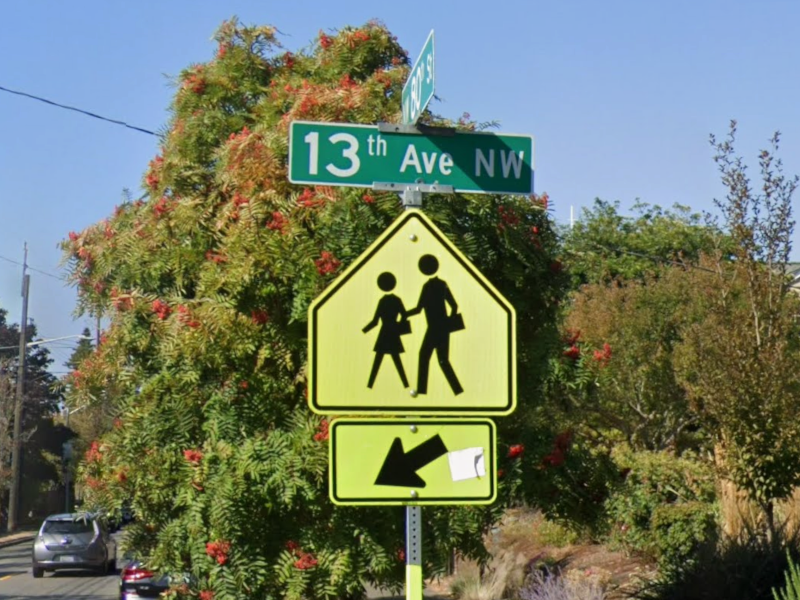
Pedestrian crossing signs tend to be diamonds like these. I’ve seen them plenty of times before, but I hadn’t quite put together until just now that they are usually pentagons when in school zones! They’re not regular pentagons, but more like the pentagonal shape of home plate in baseball.
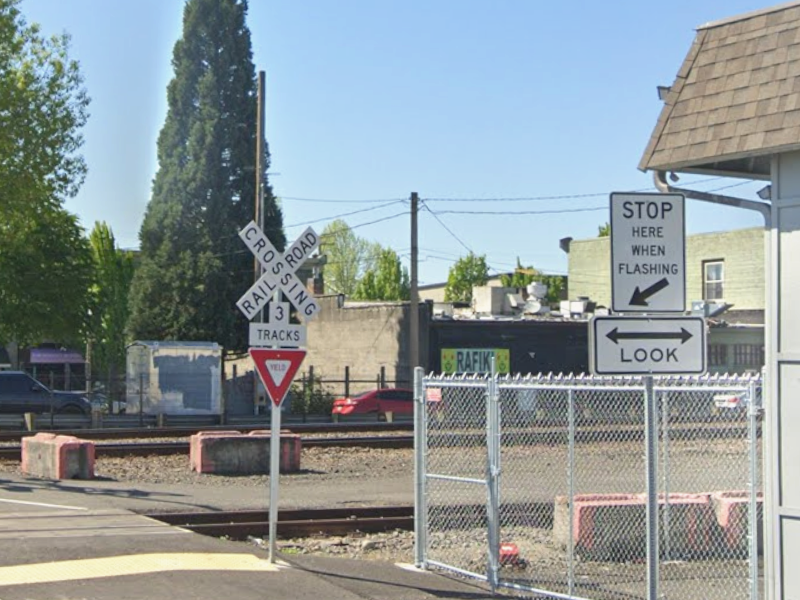
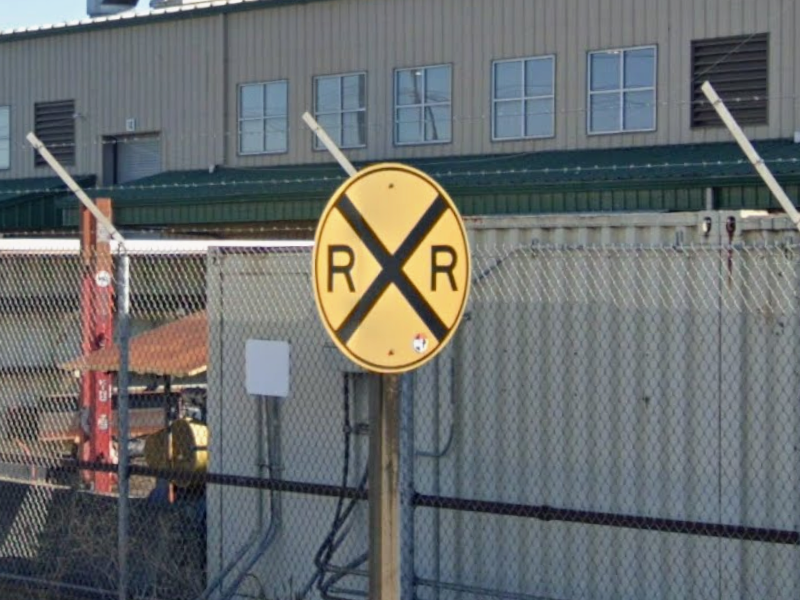
Railroad crossing signs feature an X shape, with two diagonally-pitched bars meeting at a right angle.
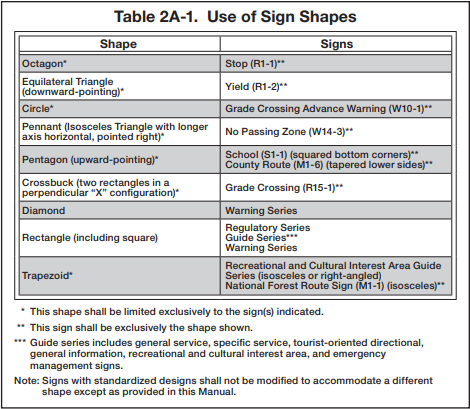
The Federal Highway Administration (part of the US Department of Transportation) publishes a set of standards called the Manual on Uniform Traffic Control Devices for Streets and Highways that almost all states have adopted. Here are their shape guidelines:
Washington is one of the states that has adopted this set of national standards. We do augment the federal signs with a few types that the rest of the country does not, however. For example, our state highway signs feature one of our favorite shapes — the Washin-gon:
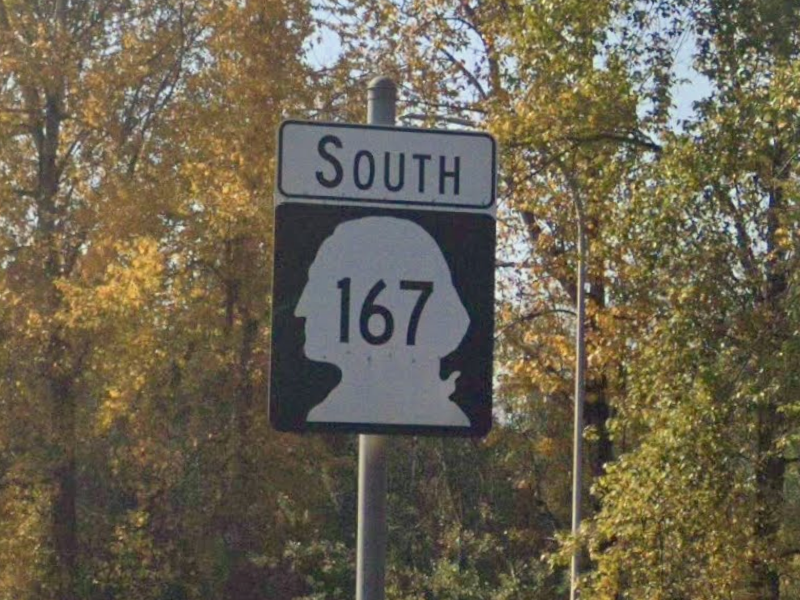
I’ll let you decide how many sides it has!
What interesting traffic sign shapes can you spot around the state?
All images taken from the Seattle and Kent areas using Google Street View.