
Education Zone
Autumn Leaves
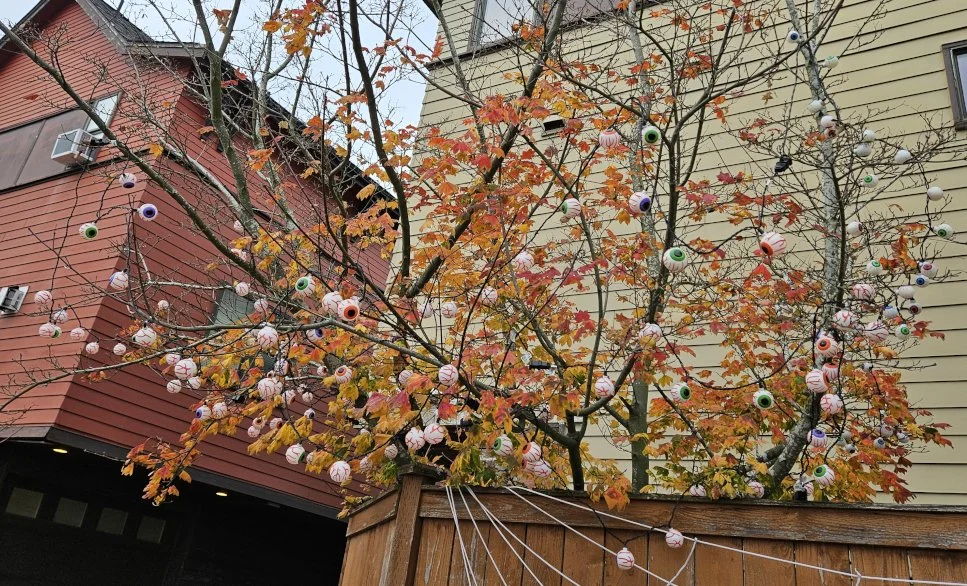
We’ve reached the point in Seattle where many of the trees in my neighborhood have lost their leaves and others are on their way. Many of the eyeball trees still have their eyeballs, however!
I took a walk around my neighborhood looking for some autumn math. I was expecting to see a lot of pinecones, which are great for exploring the Fibonacci sequence in phyllotaxis spirals. The neighborhood I grew up in down in Tacoma had a lot of coniferous trees, but I guess I hadn’t noticed how much more deciduous my Seattle neighborhood is! So, instead of collecting pinecones, I collected leaves. Here are the undersides of 24 of the leaves I found:
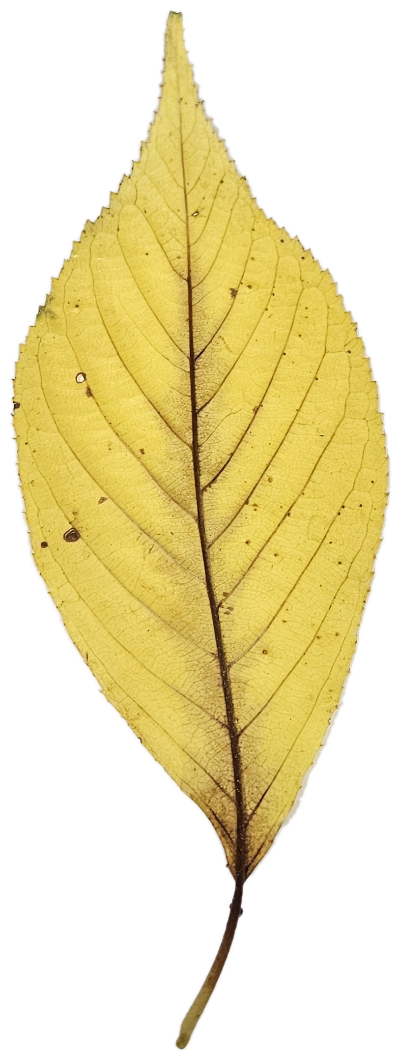
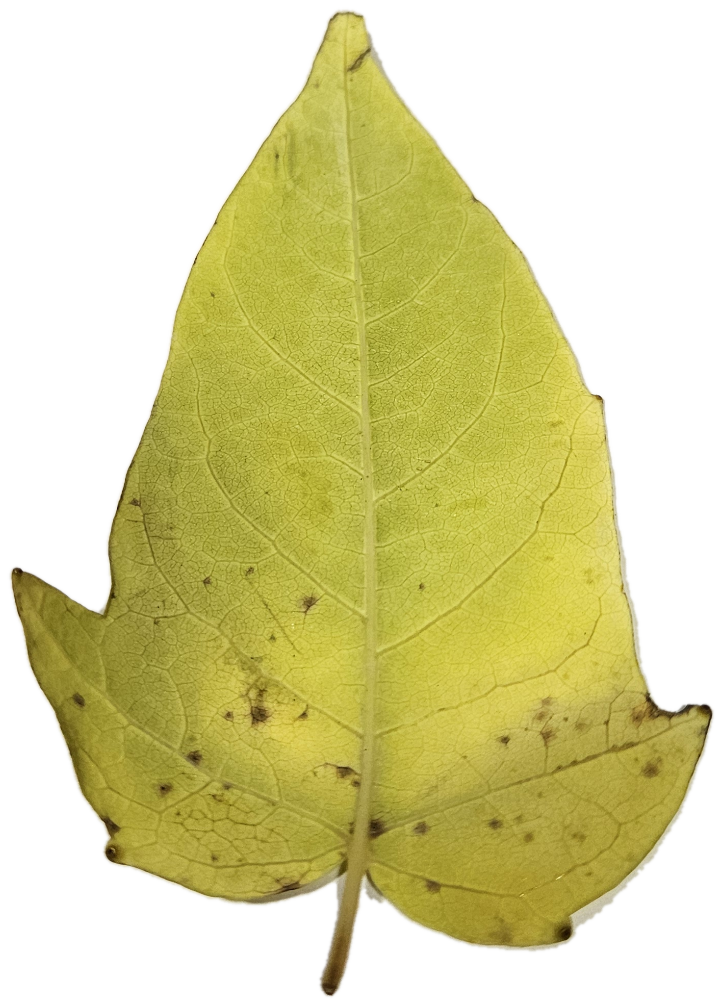
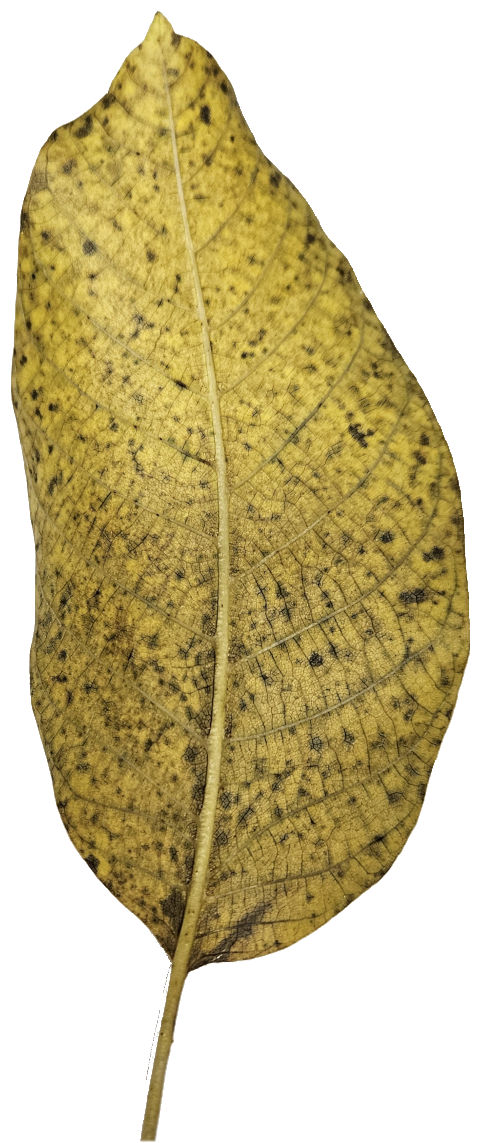
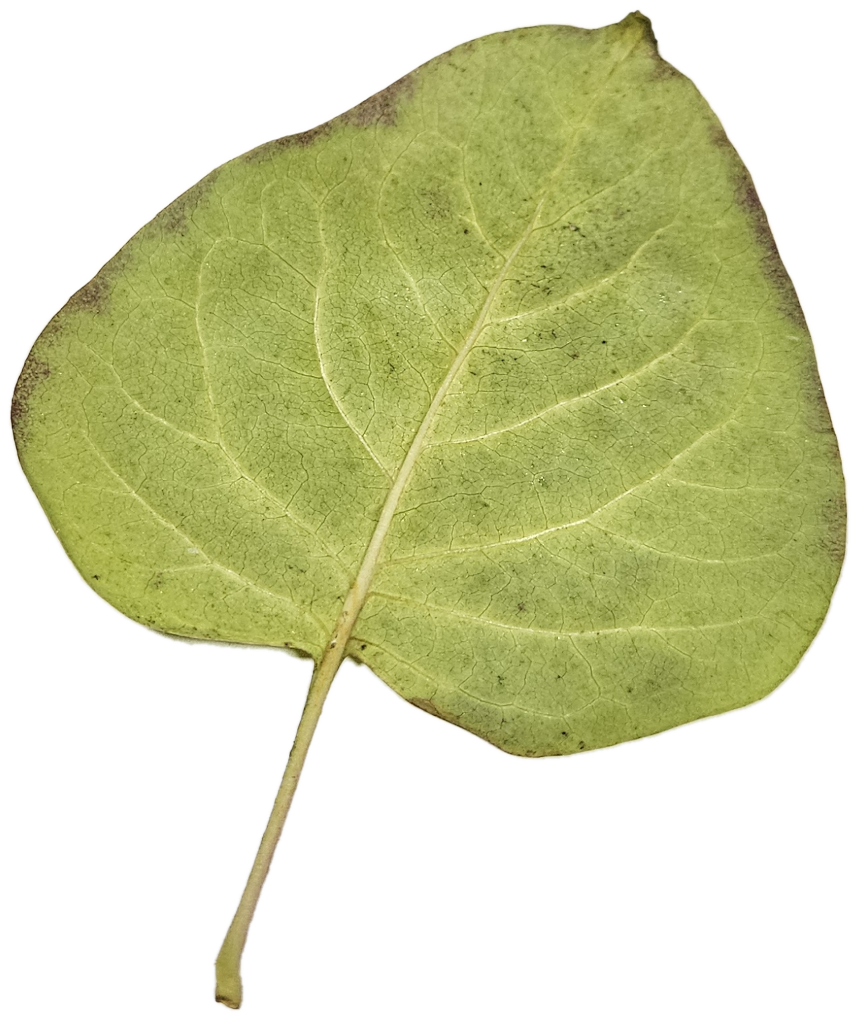
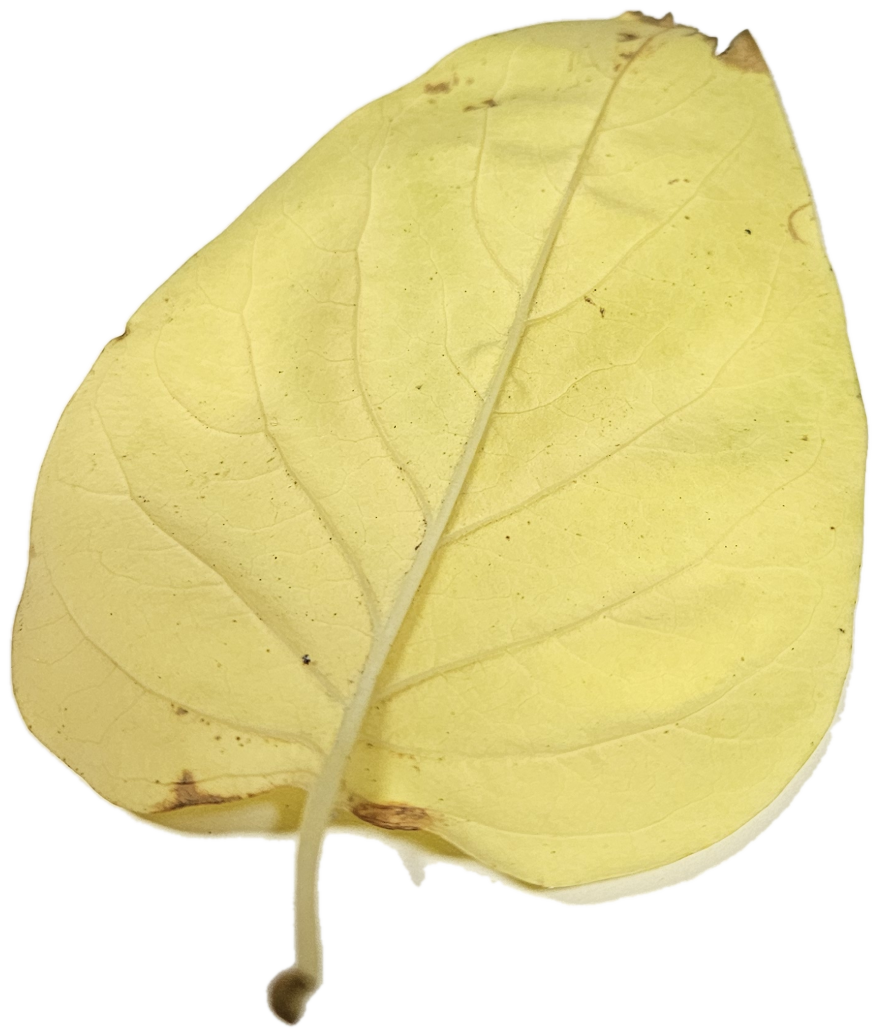
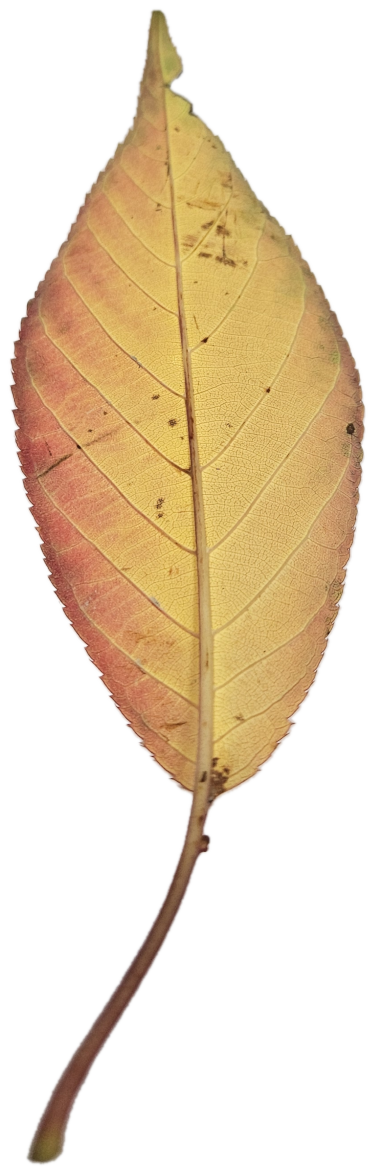
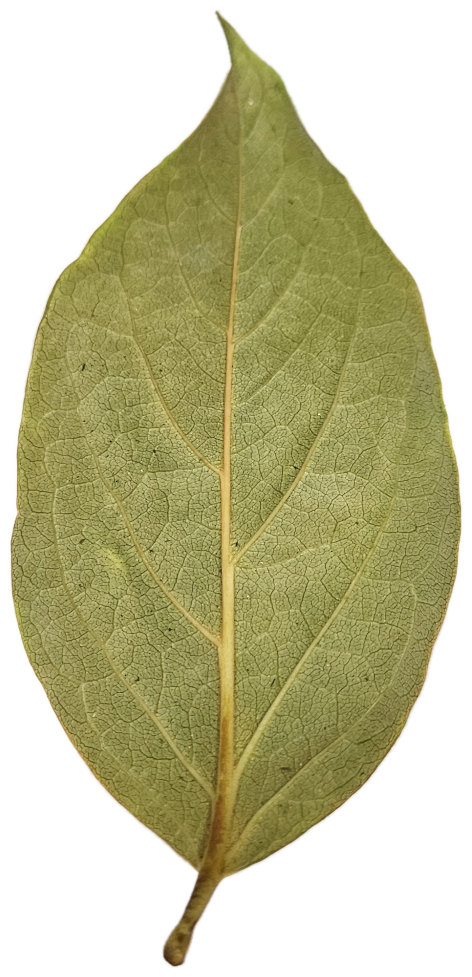
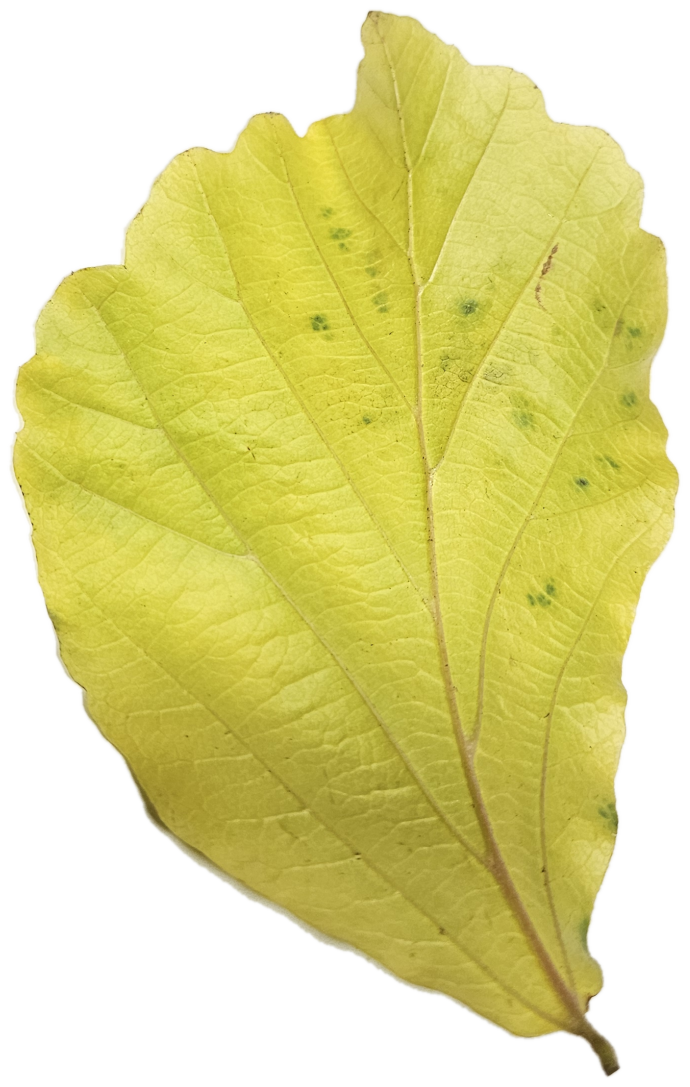
Every leaf under the tree where I found leaf on the left was also lopsided! Looking at photos of leaves online, I’d guess it’s a witch hazel, but I’m not completely sure. Lopsidedness is a characteristic of witch hazel leaves, though.
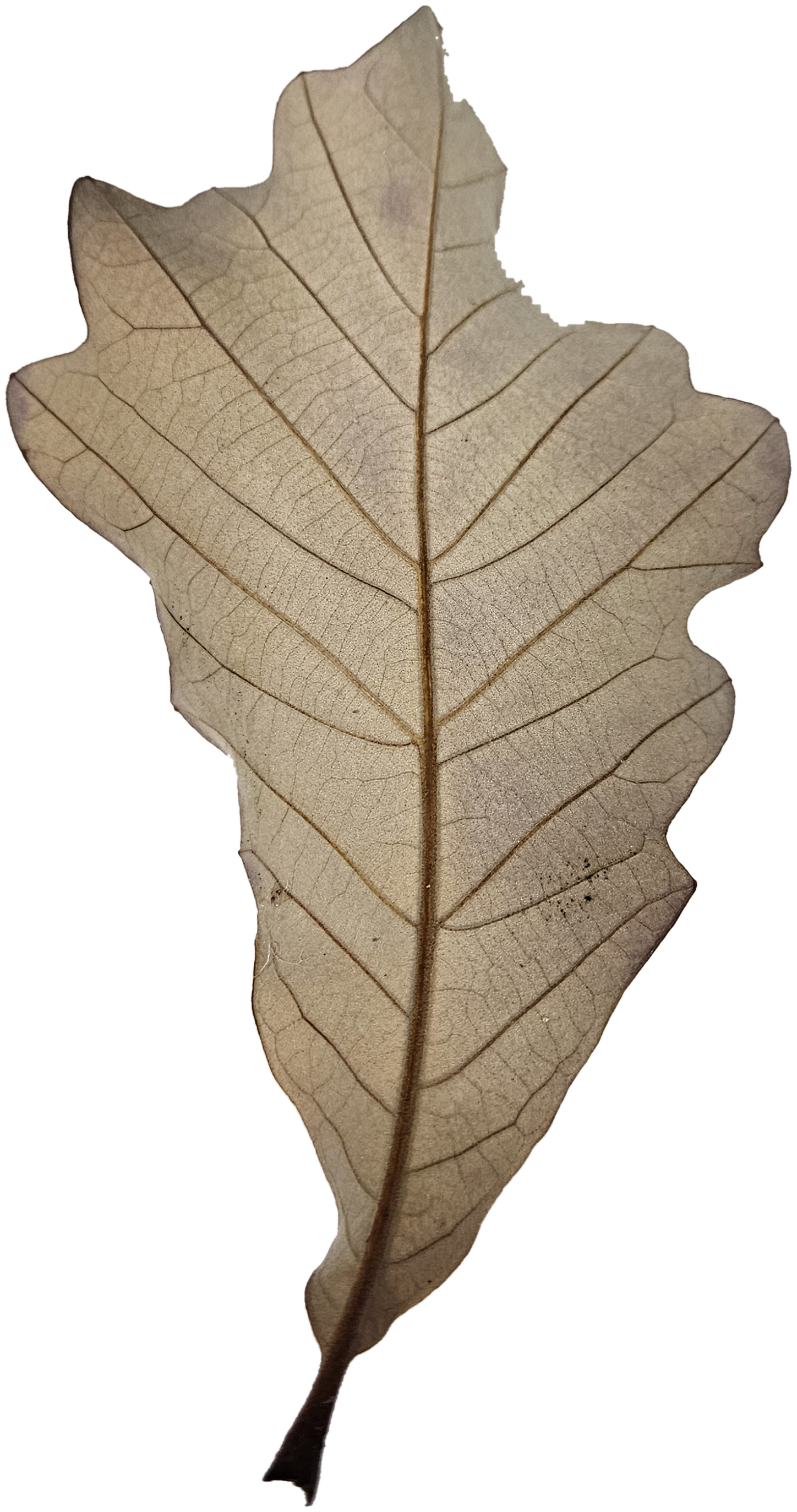
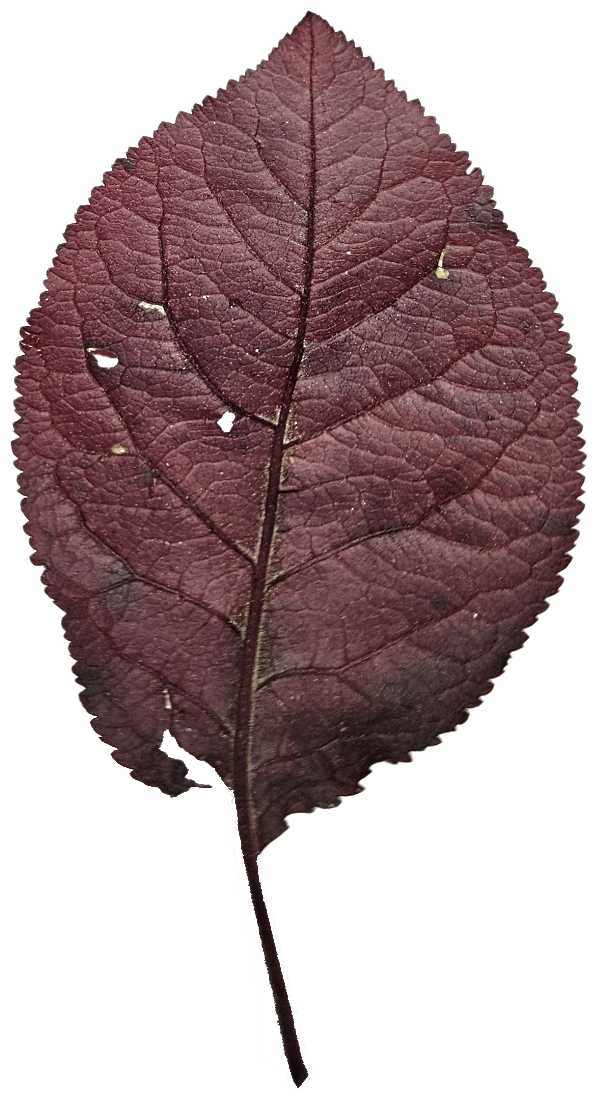
The one on the right is also pretty lopsided. It looks like it came from some variety of white oak. What other leaves are not bilaterally symmetric in this way? Did you find any asymmetric leaves?
The topsides of the leaves are definitely prettier, but the reason I flipped them around was so we could more clearly see the veins. The vein pattern is called its venation, and we can also compare and contrast those.
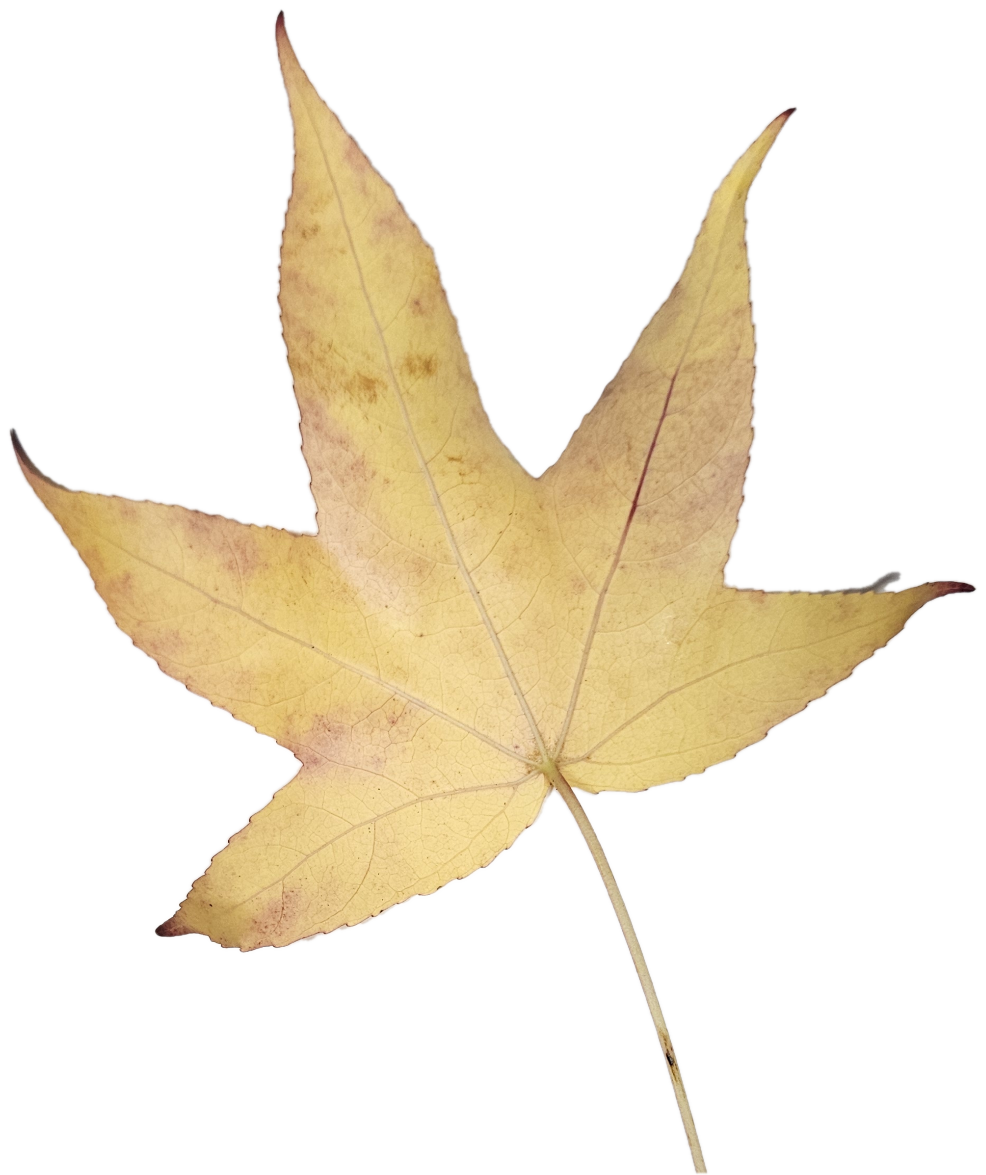
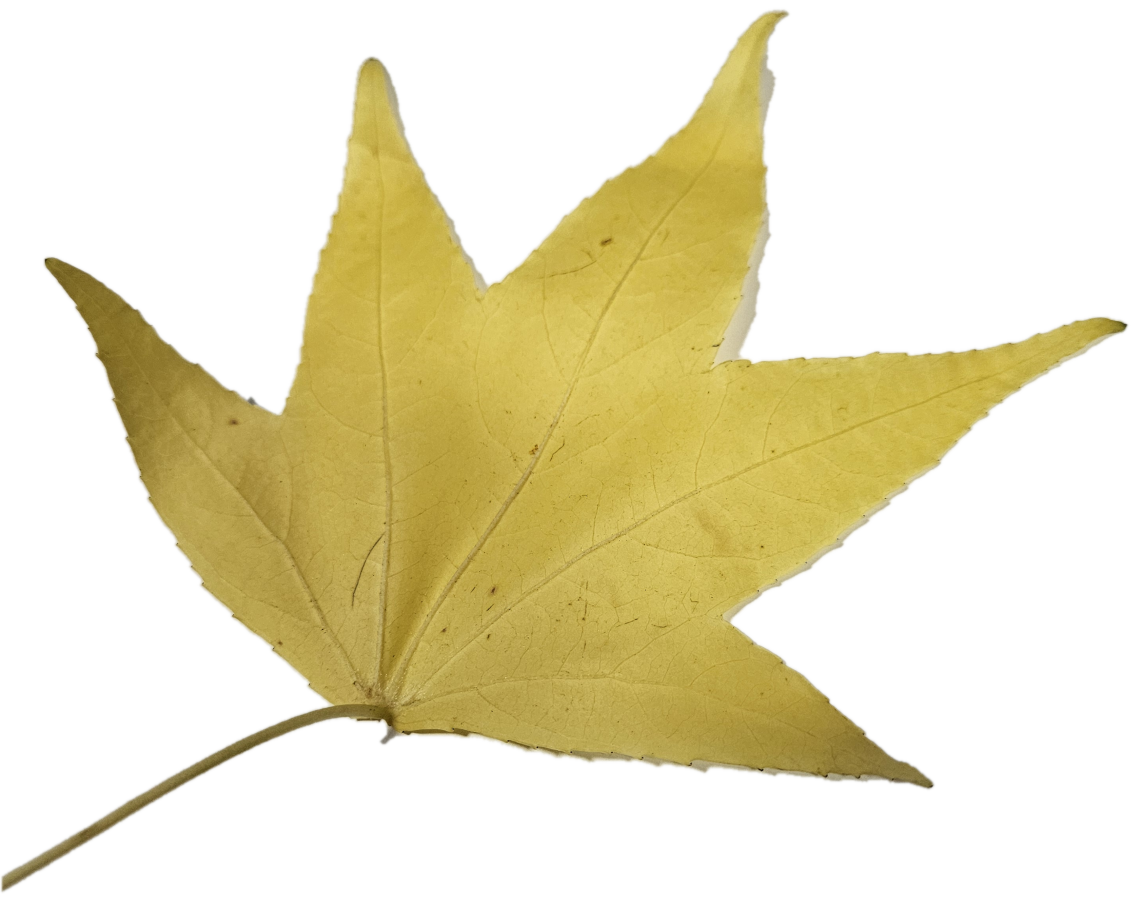
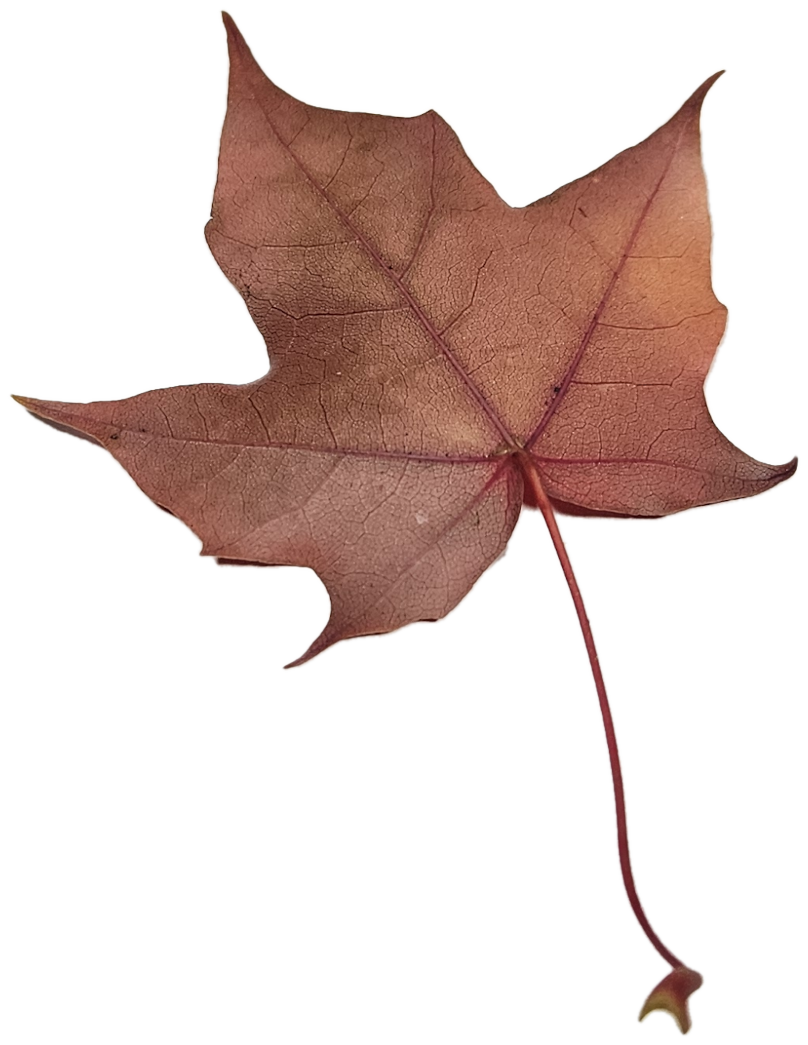
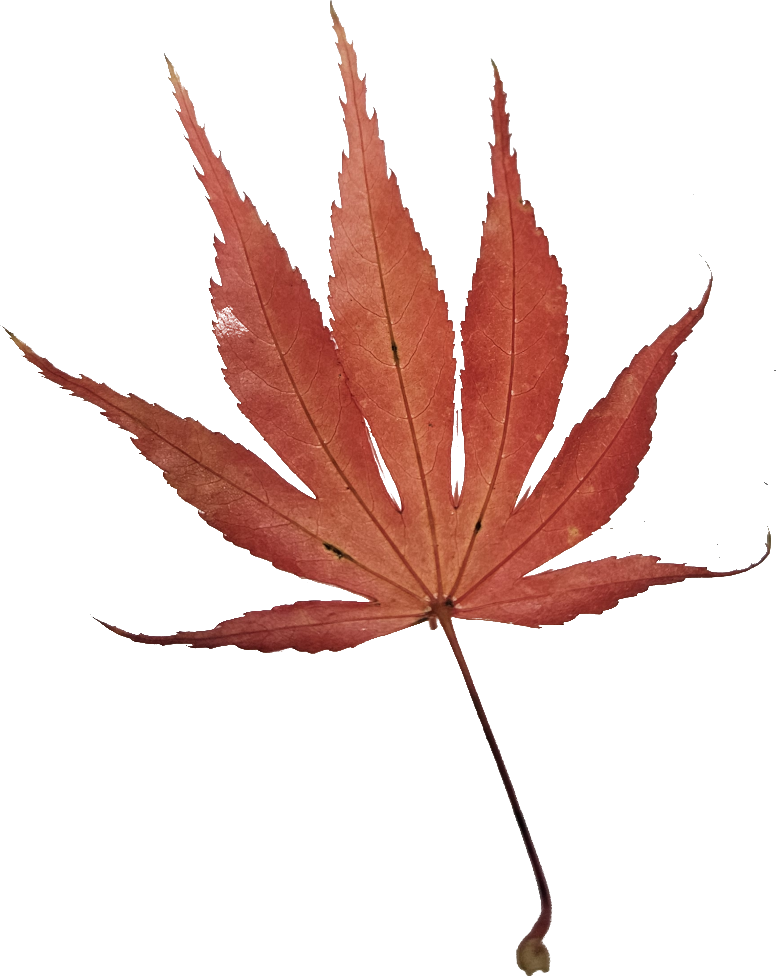
I was unsure whether the first leaf below had five lobes or seven, but it looks like the stem splits into seven main veins. This sort of splitting of main veins from one point is called palmate venation, and is typical in sweetgum and most maple leaves.
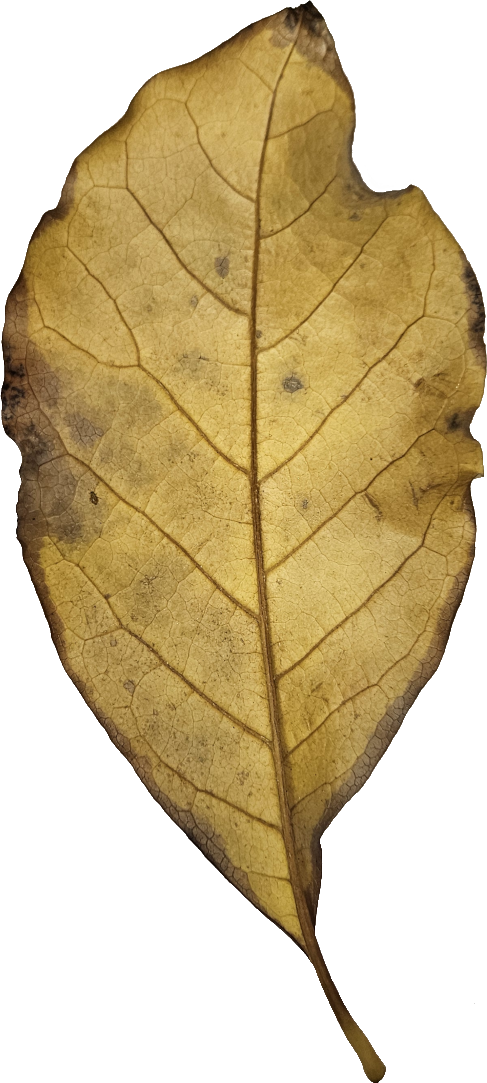
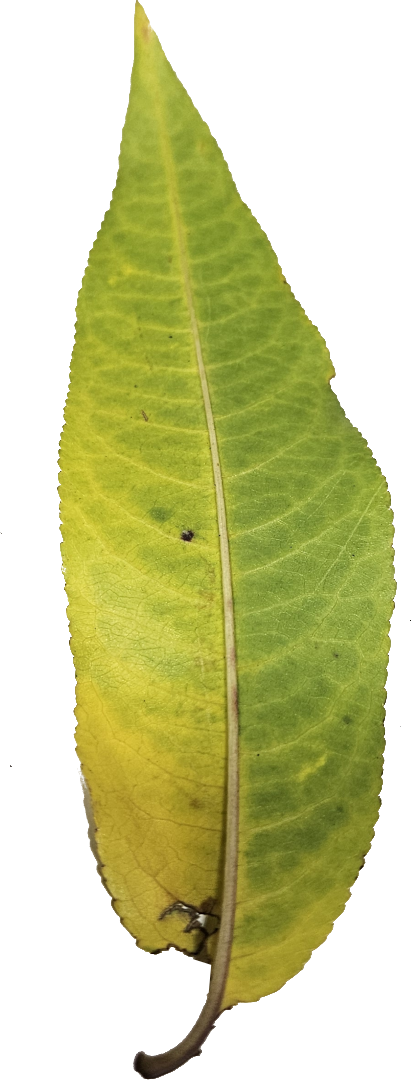
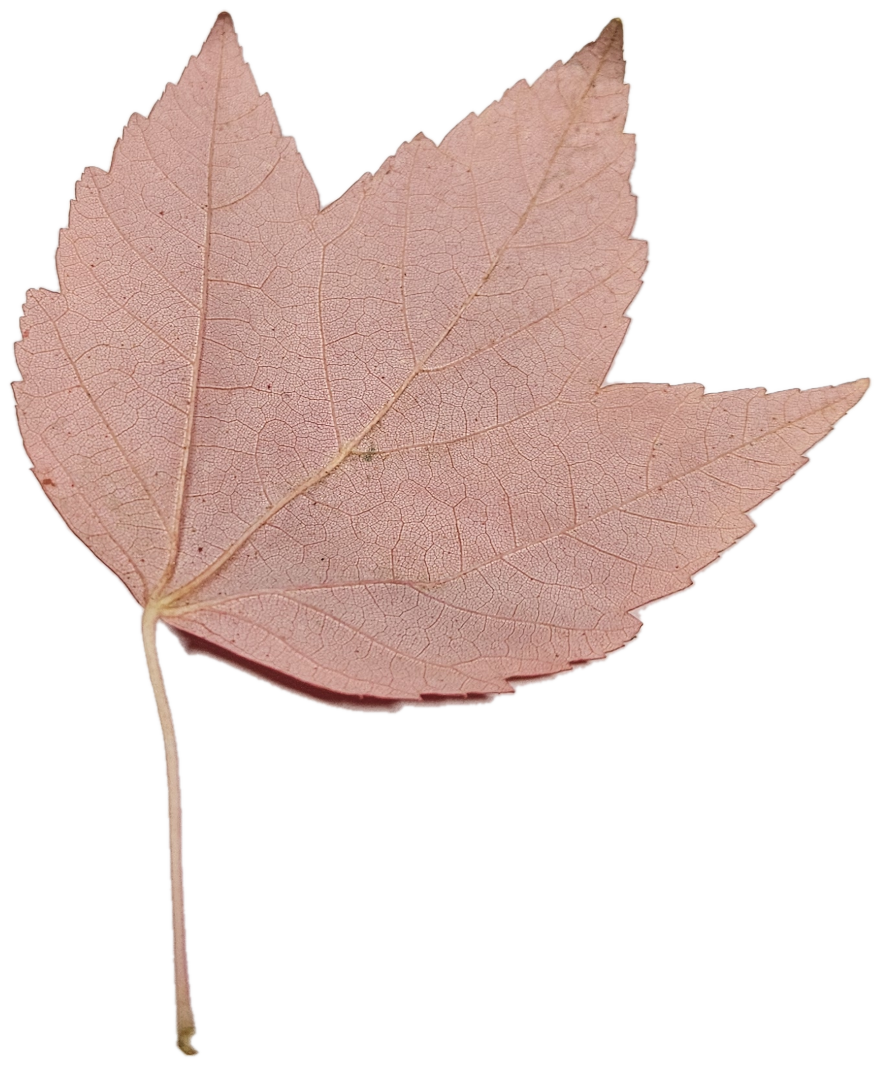
Some leaves are forked. If we think of them as like hands with fingers, the fingers are called lobes and the tips of the lobes are apexes (or apices). I’d say two of my leaves have three lobes, three have five lobes, and three have seven lobes. Do you agree? My guesses: red maple, boxelder maple, sweetgum, another sweetgum, sugar maple, scarlet oak, Norway maple, and Japanese maple:
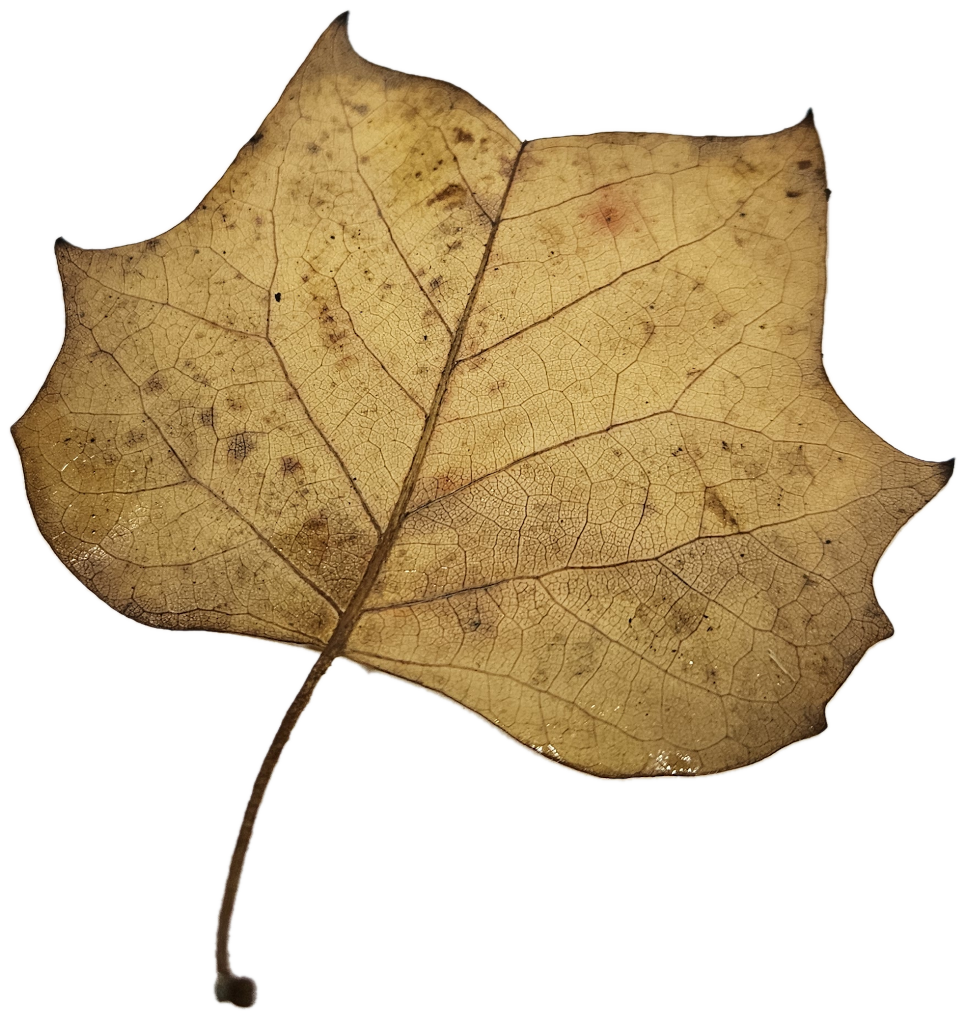
I was a little thrown by the leaf on the left. I encountered an entire block of trees that dropped this style of leaf that appeared to have four lobes! It’s wild that I’d never noticed (or at least forgotten) that some leaves can have an even number of lobes. I’m so used to seeing that central lobe, not seeing it looks quite strange! It comes from a tulip tree.
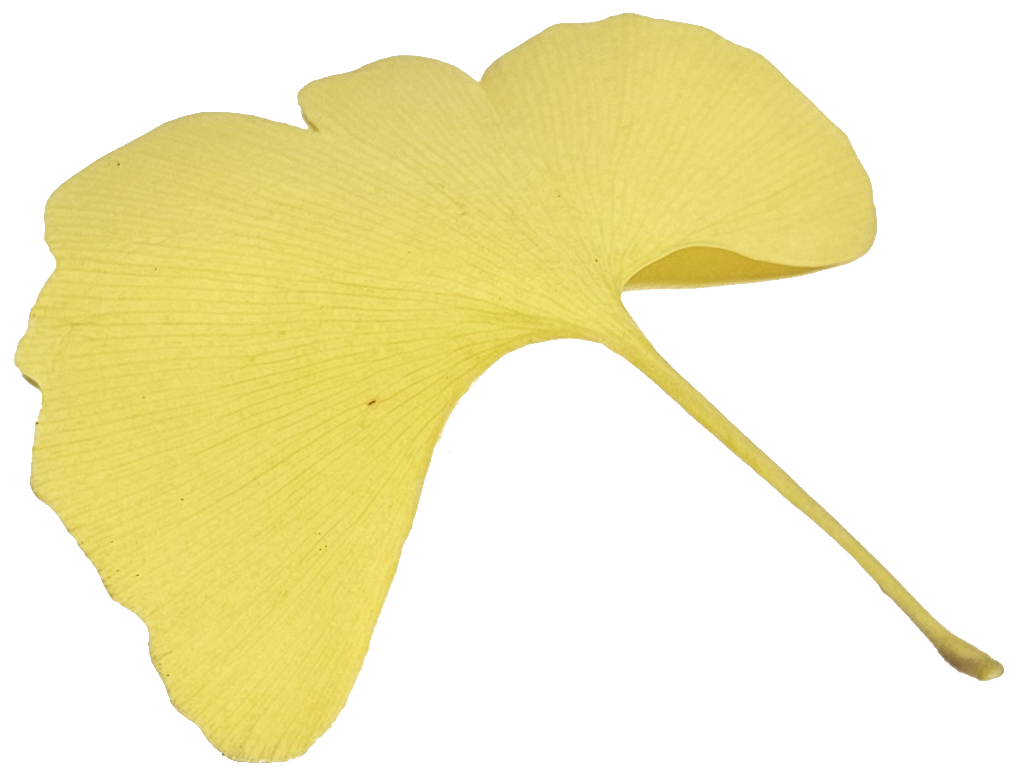
I was also thrown by the leaf on the right, since it looked like a fan to me. It’s from a ginkgo tree, and Ginkgo biloba means “two-lobed,” so that little indent at the top is where the two lobes split.
I encourage you to take a quick trip around the block and gather some of your own. I tried not to interrupt anyone’s meal, but still ended up with a few baby slugs, tiny caterpillars, and insects in the mix. I guess we just have similar taste, for better or worse. They’ll find themselves back in nature shortly.
I’m a big proponent of sorting activities for young learners. Sorting by color, number, or other features. Having a variety of leaves provides a good opportunity to talk with kids about whether they think two leaves came from the same kind of tree and why. For example, I think at least two of my leaves above came from the same kind of tree, if not the same tree. Can you guess which ones?
Most of these leaves are roughly bilaterally symmetric. A couple have a lopsidedness that’s not just due to the photo angle, though.
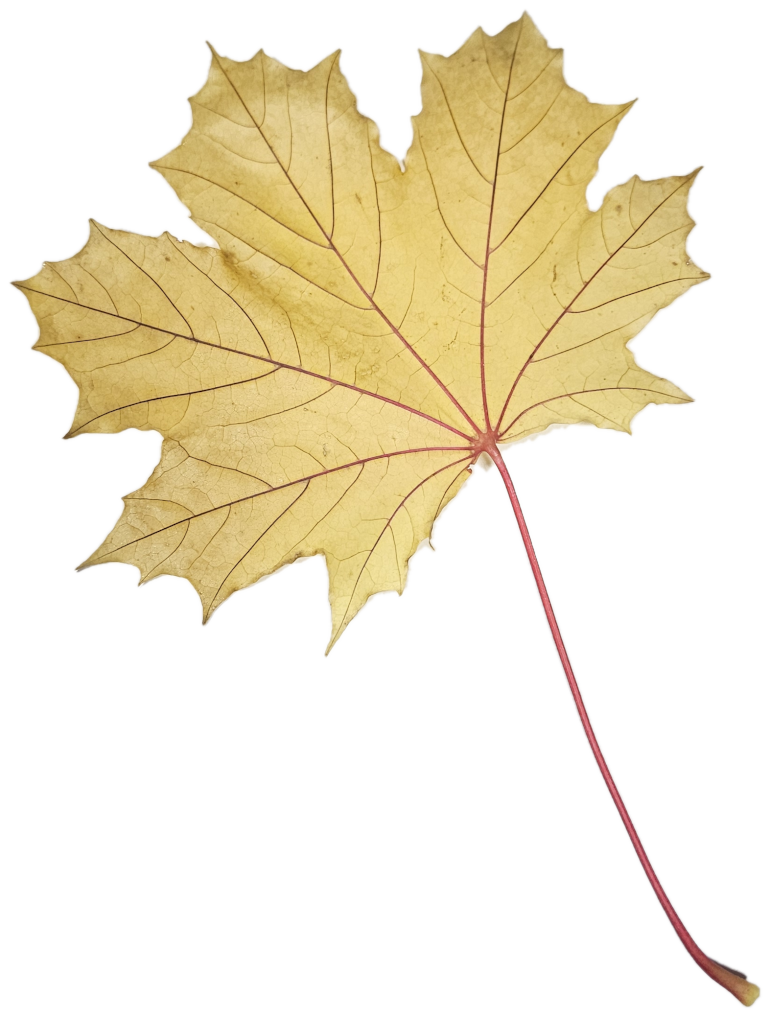

In graph theory terms, these main veins form a star graph.
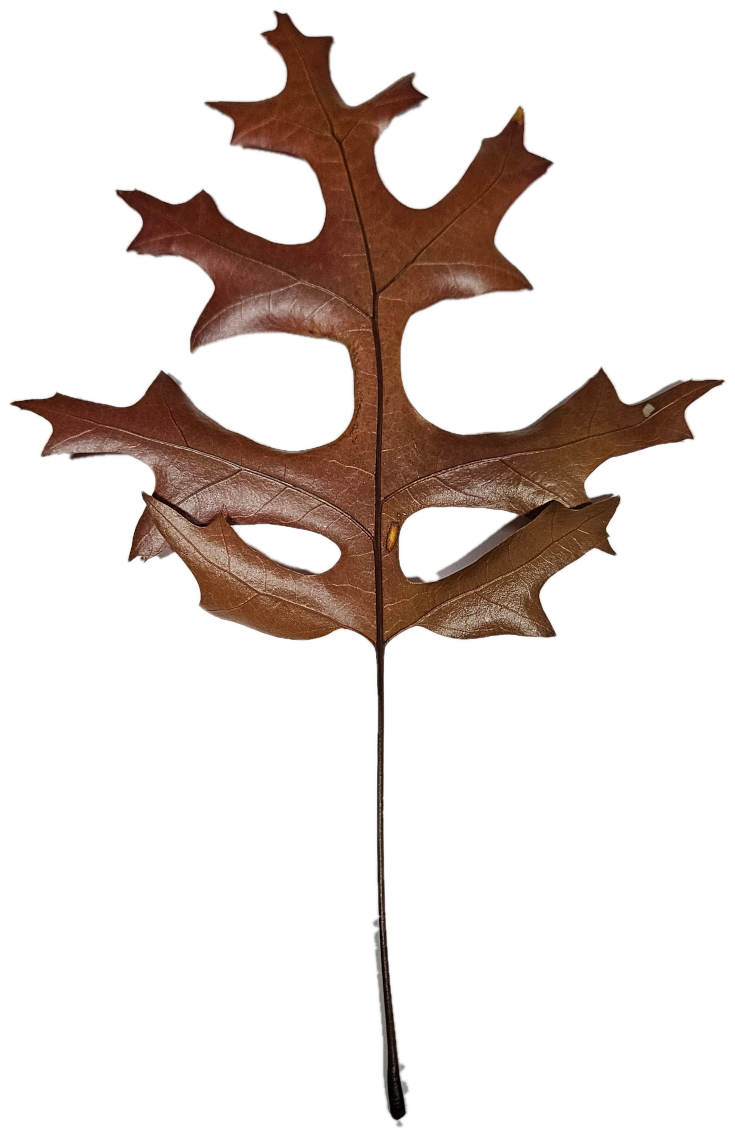
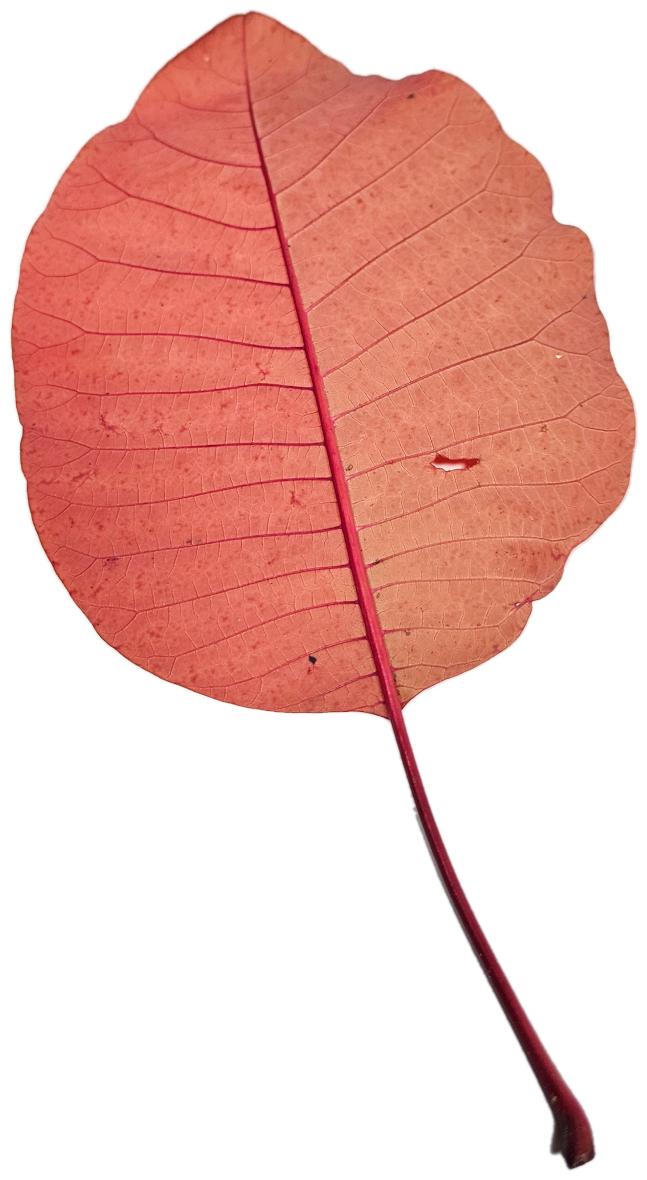
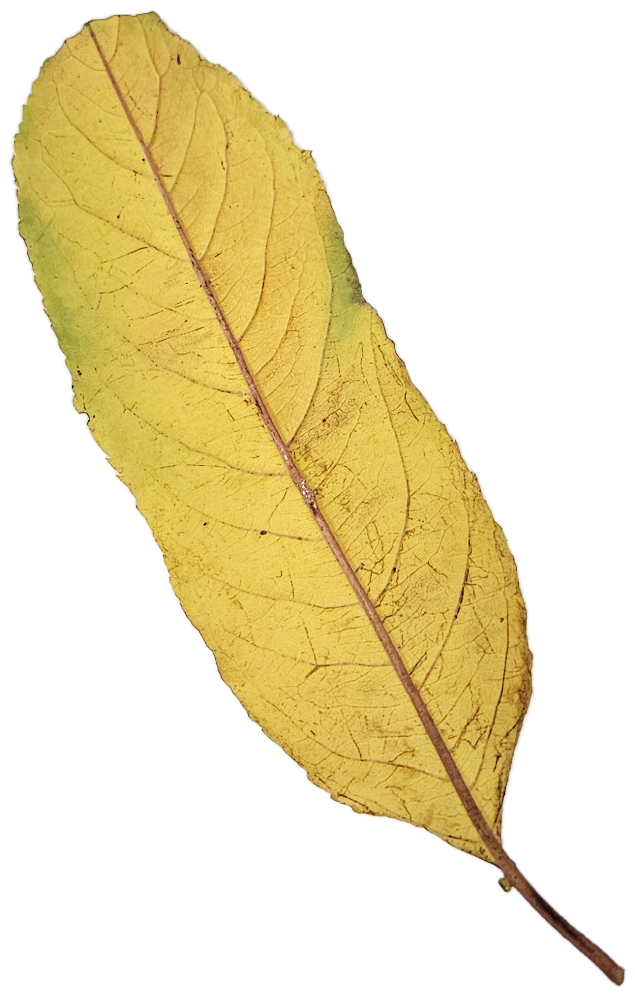
Contrast that with what’s happening in our scarlet oak leaf, which also has seven lobes, but the secondary veins branch from different points along a central midrib. This is called pinnate venation, and most of the leaves I found have this pattern.
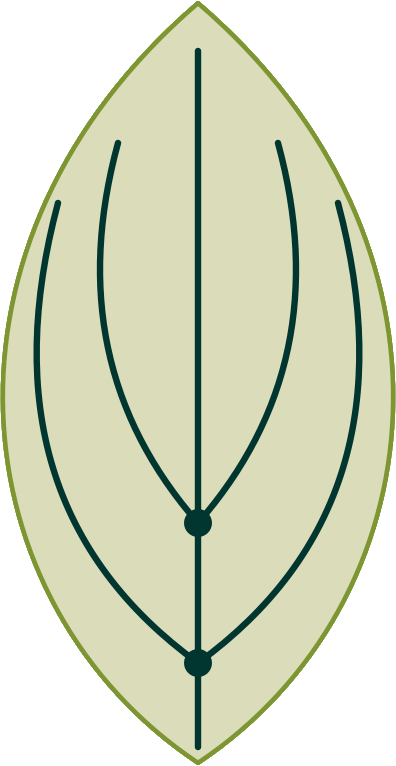
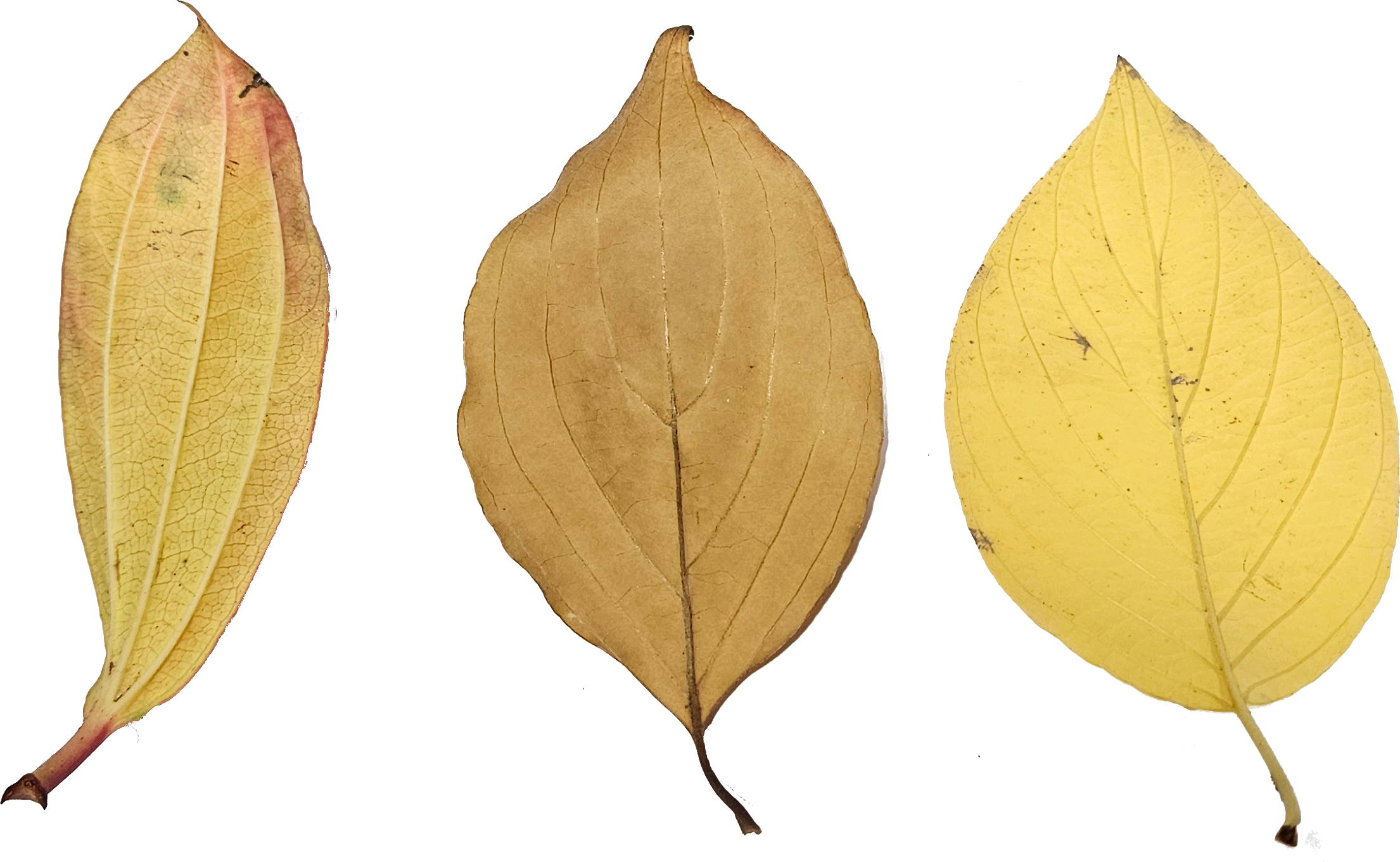
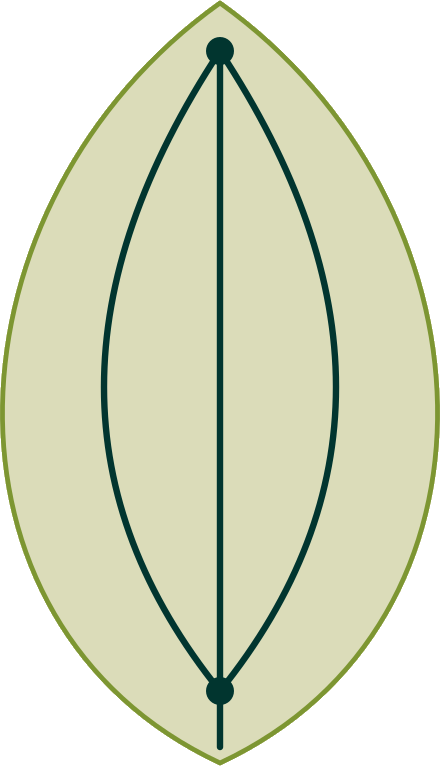
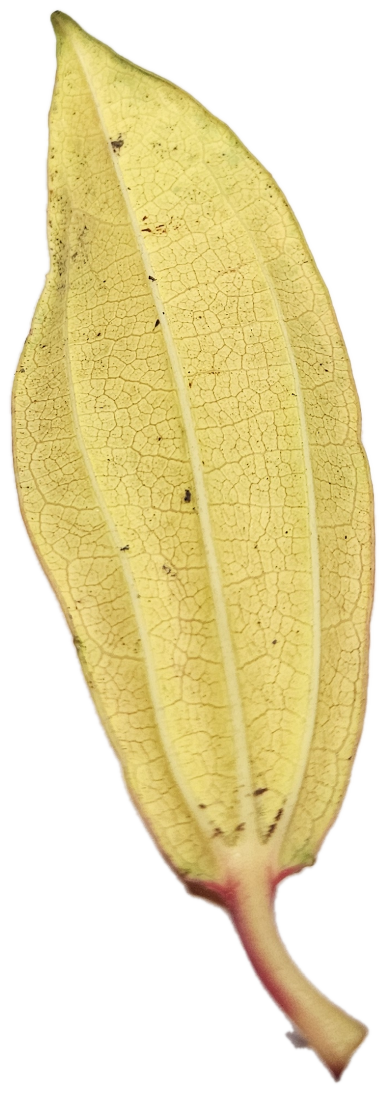
The right two are just a form of pinnate, whereas the one on the left is acrodromous, and its primary veins form cycles.
I certainly can’t make it out by looking, but from what I’ve read, the veins in the ginkgo leaf fork like a binary tree as the veins get smaller and smaller! This is called dichotomous.
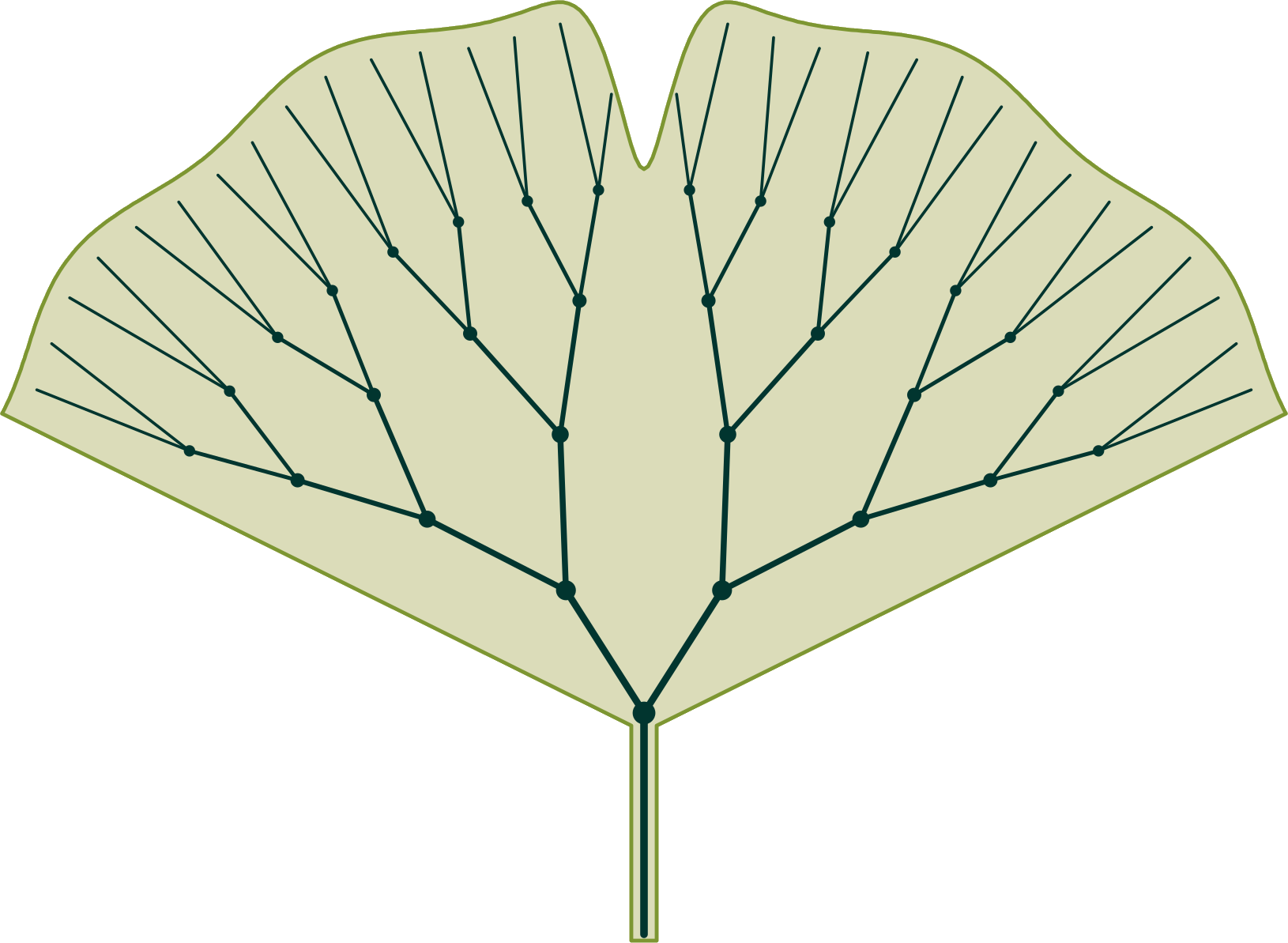
There are other types of venations. While venation classifications can help us tell different trees apart by their leaves, some edge cases can be a little blurred. These patterns also only describe the topology of the major veins. As we zoom in on the smallest veins (veinlets), we’ll also find that most vein systems form cycles. (Ginkgo leaf veins are actually cycle-free, however!)
Where else can you spot math in autumn?
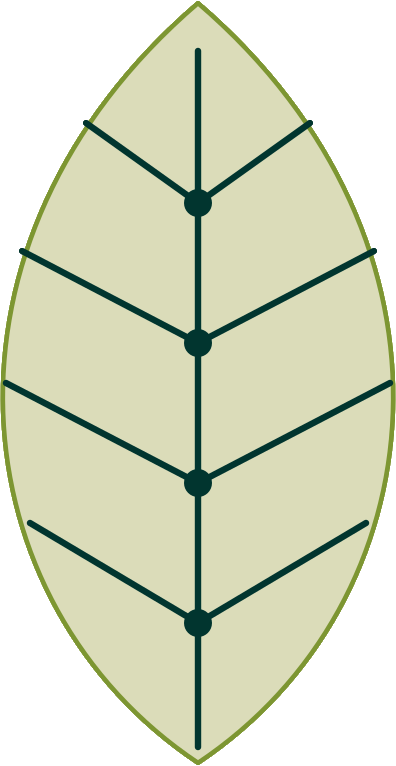
The midrib and secondary veins form a caterpillar graph.
Some leaves have veins that curve upward in a more pronounced way. These weren’t all in the set I originally chose to photograph, but I did grab a few. Note the one on the left is a little different than the two on the right, since its primary veins split from the stem, keep the same thickness, and meet at the top: