
Math in… Hockey
This Tuesday is game 4 in the Stanley Cup finals. Since the finals are a best-of-7 series, the first team to win four games wins the cup. Based on the games each of the Vegas Golden Knights and Carolina Hurricanes have won, is there a minimum number of games left in the season? What about a maximum?
While those teams are probably hyper-aware of the answers to the question above, hockey players intuitively use many mathematical concepts in the course of playing.
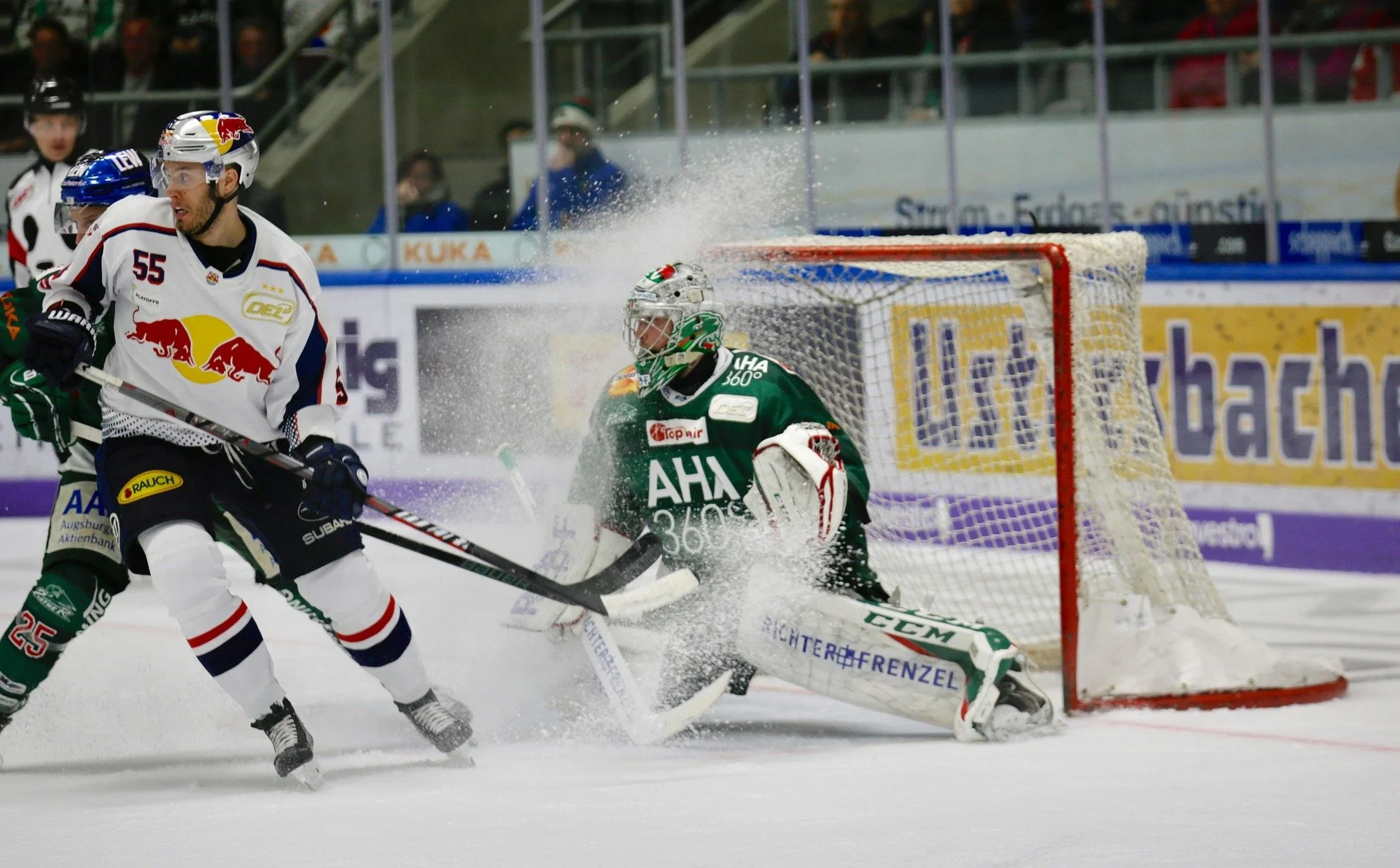
Image: Sissi Pannach (via Pixabay)
While passing the puck, sometimes it is advantageous to bank it off a wall. When an object bounces, in the absence of other forces, its angle of incidence equals its angle of reflection. Billiards players also use this concept when making tricky bank shots:
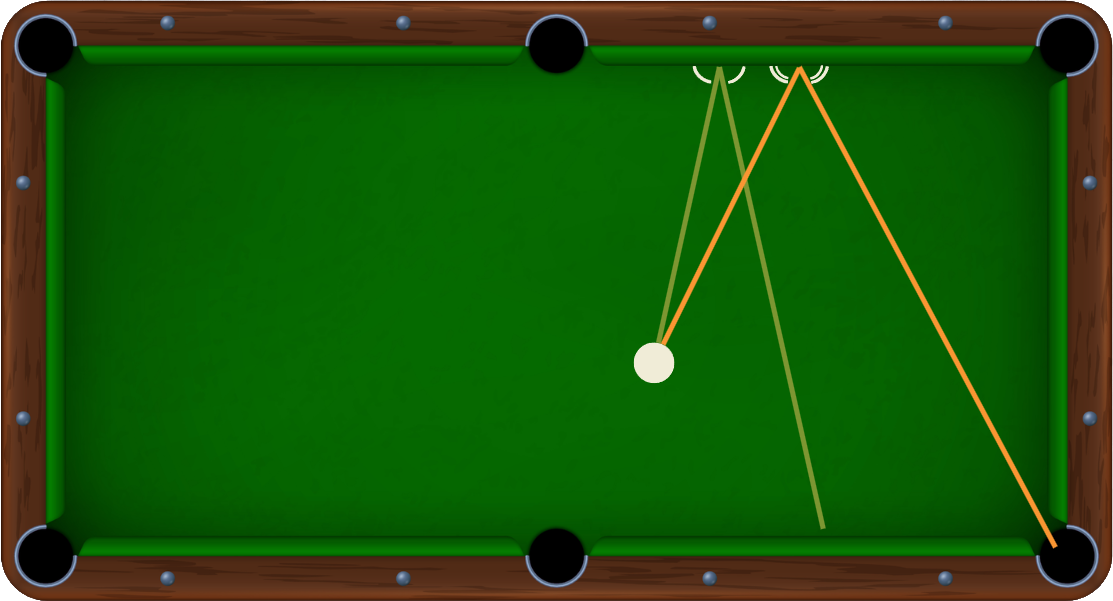
Two bank shots in billiards. (Note: angles of incidence and reflection are traditionally given with respect to a surface’s perpendicular, but the complementary angles are also equal and usually easier to visualize, as marked above.)
If a player wants to bank the puck to a teammate, choosing roughly the right spot on the wall for the bounce is crucial in getting the puck where it needs to go. (How might lining up these passes change when both players are moving?)
Angles also play an important role in shots on goal.
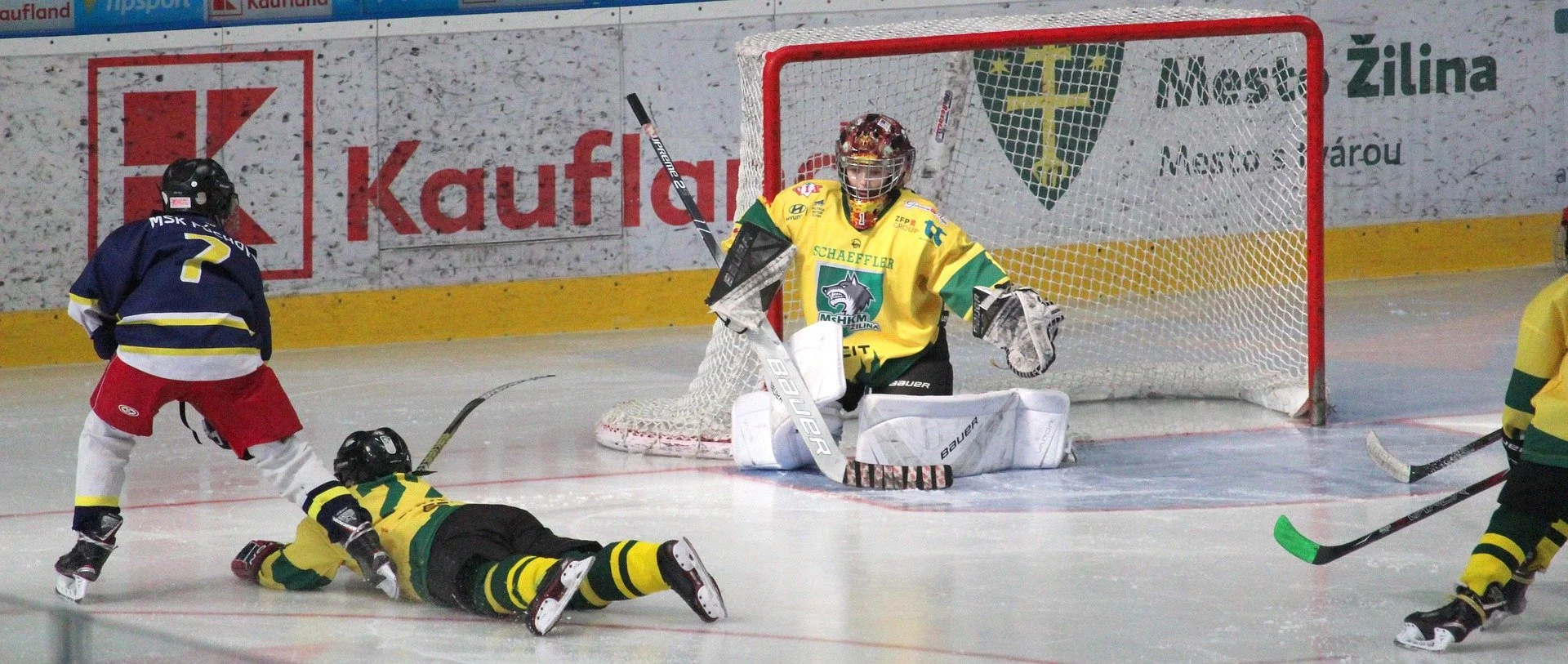
Image: PlaygroundDraws (via Pixabay)
It’s much easier to score a goal when you have a wider range of possible angles to work with, since you have more options and more room for error. Which shots below seem easiest and hardest?

Angular ranges for a shot on goal based on a puck’s position.
The more acute the angle is, the less room for error a player has while making a shot. Goalies try to position themselves to make these angle ranges even worse for the opposing players!
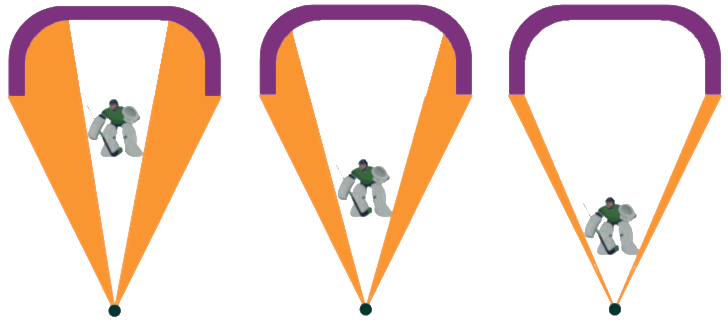
A goalkeeper restricts the range of angles for a shot on goal.
In what other ways is hockey mathematical?