
Intersections
A Public Art Exhibition
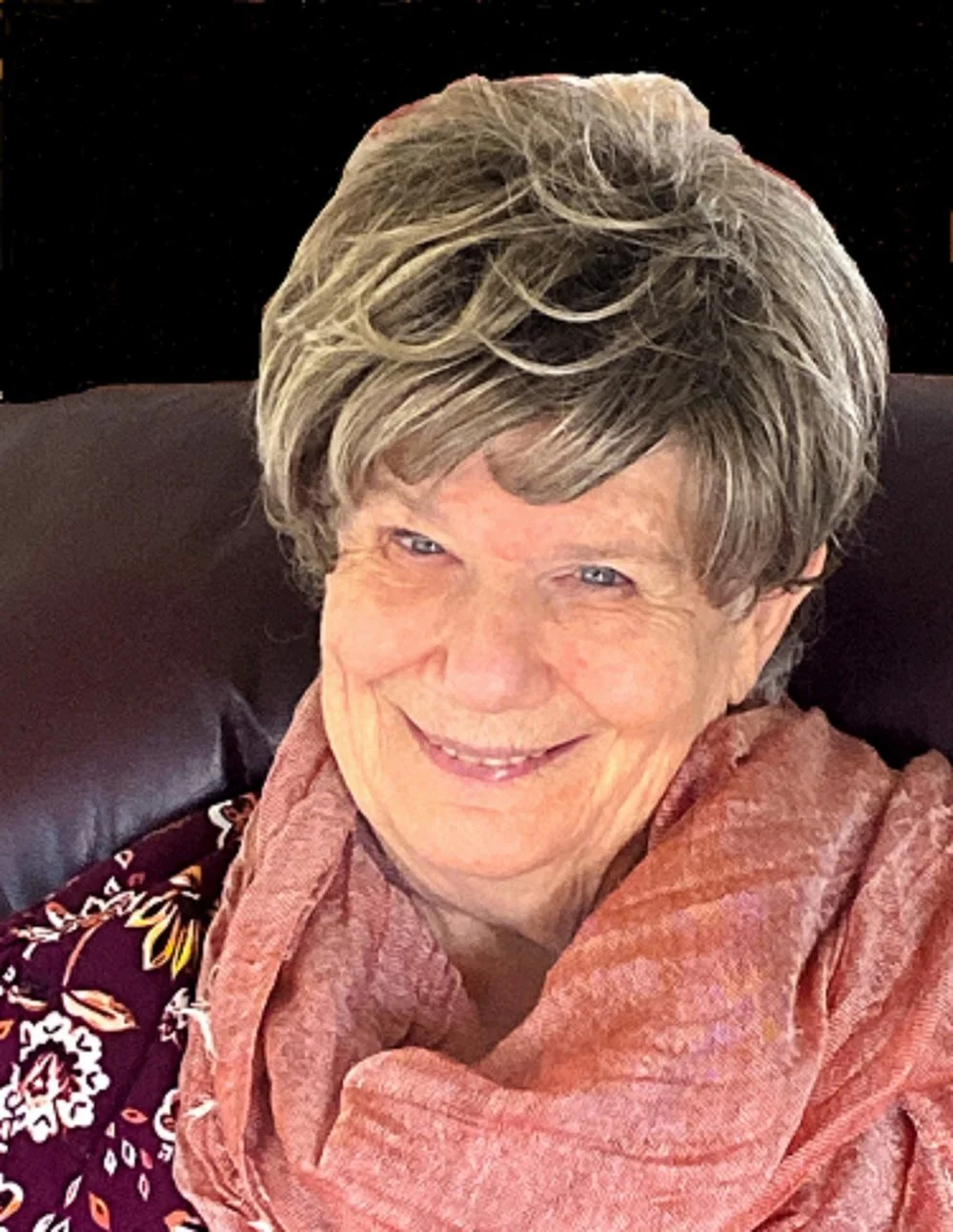
Rona Gurkewitz
Rona Gurkewitz was drawn to mathematics early in life and discovered computer science and origami later. She worked with Lillian Oppenheimer and Laura Kruskal in the early days of popularizing origami in the United States. She is a creative folder, inventing original designs as well as new, mathematical ways of explaining complex modular models.
Rona is the author of four published books, with co-author Bennett Arnstein, that have sold over 150,000 copies. She has given talks and workshops at conferences in the USA, the United Kingdom and Japan. Some of her designs are in the Mingei International Museum's permanent collection.
Rona earned BA and MA degrees in Mathematics from UCLA and MS and MPhil degrees in Computer Science from the Courant Institute of Mathematical Sciences, New York University. She taught in the Mathematics and Computer Science departments at Western Connecticut State University and has been the Computer Science department chair. She holds the title of Professor Emerita.
Now living in Seattle, she still is teaching, part-time and remotely. Rona loves working with SUMM to share the excitement and beauty of mathematics, computing and origami by serving on the Advisory Board.
Artwork
Rambler I
Origami quilt, copy paper with printed designs
16” x 16”

I am interested in origami, tilings and puzzles. This work is a combination of weaving, tiling, quilt pattern, computer graphics and modular origami. It is an example of my technique of Tiled Origami Quilts. It is made of a mat woven from strips of paper and square and triangle modular origami paper tiles that attach to the mat using tabs.
Quilts can be works of art. Making them is a human endeavor with historical and artistic roots. Thousands of tilings are possible, including traditional American quilt patterns. It is interesting that mathematicians and quilt makers are interested in tilings that are very similar. There are Truchet tiles for mathematicians and the Half Square Triangle quilts for quilters. Only triangle tiles are used in Truchet or Half Square Triangle patterns. This work uses square tiles too. The paper patterns are original to me and done with Artlandia Symmetry Shop and Photoshop and printed on copy paper.
A mathematical issue with these quilts is whether any pattern of squares and triangles can be made with the tiles on a given mat. It turns out that the answer is no unless extra square tiles are added to provide edges for the triangle tiles tab to wrap around if the triangle is in certain positions on the border of the mat.